Dan Cooper: Blue Man / Cheeky Monster / World-Class Collaborator (#91)
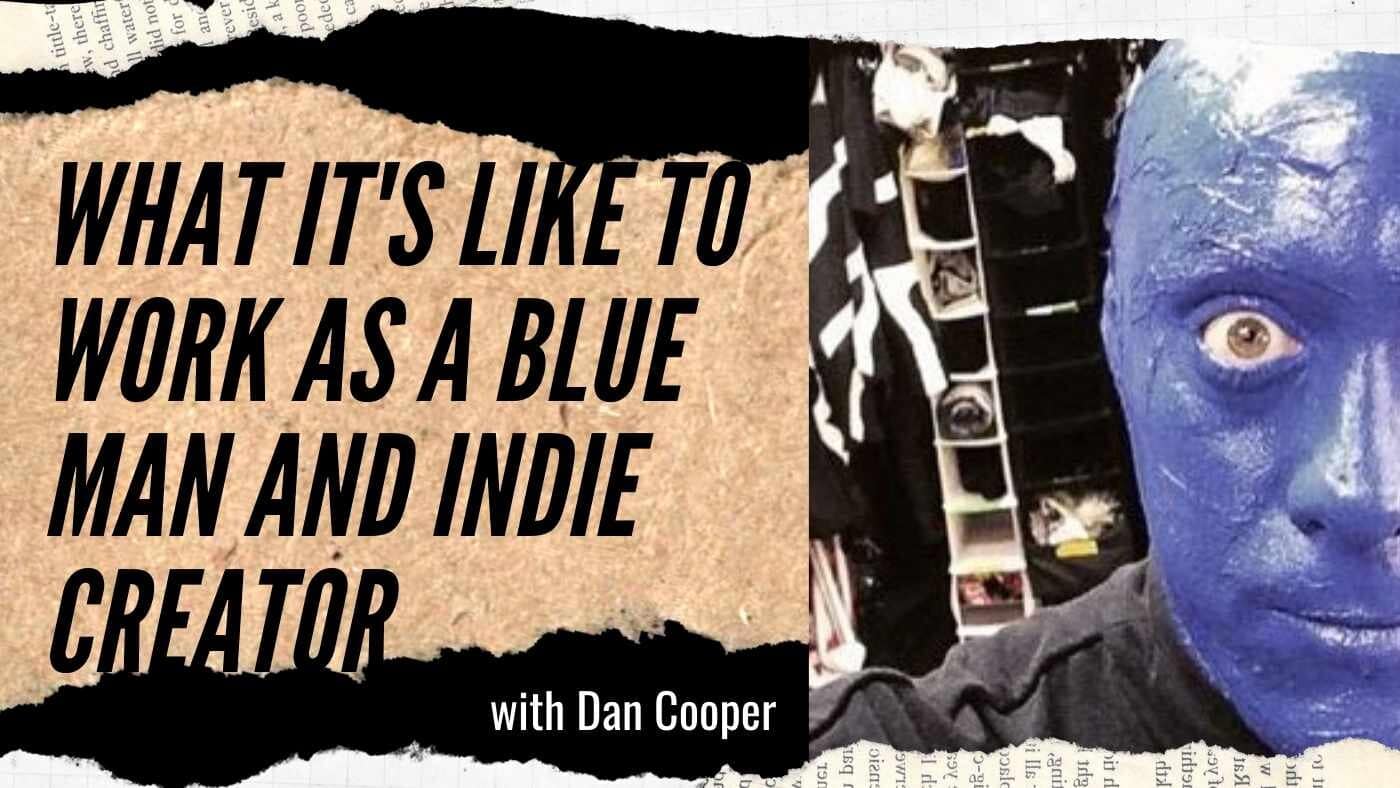
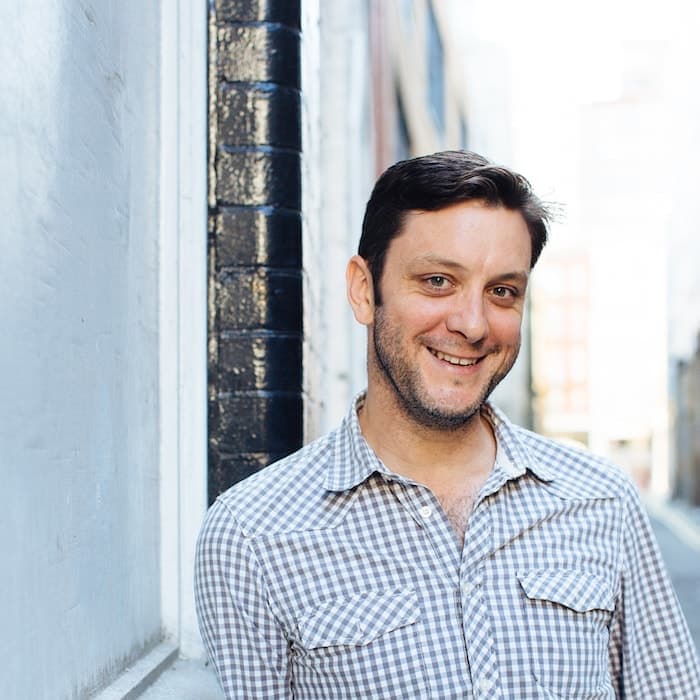
Our Guest Today: Dan Cooper
Dan Cooper (@sirdanielcooper) is an Experience Designer, Video Producer and Project Manager who loves working with brands and people. For 10 years, he worked as a Principal Performer in Blue Man Group, a world class entertainment company, touring in multiple cites on several continents. Because of Blue Man Group, Dan learned a lot about experience design, improvisation and persuasion which led him to consult for many companies and clients.
How was Dan discovered for Blue Man’s audition? What are some of the characteristics the company is looking for? How long was the training before Dan could appear on stage? And the brutal elimination process that’s no different than American Idol?
As a jack of all trades, Dan throws himself at a lot of adventures. His friends and colleagues call him “A hell of an artist, a great guy, a cheeky monster, and a first-class collaborator.” or “Dan reminds me that life is short and to embrace every moment of it to the fullest.”
In this episode, Dan takes you on and off stage as a Blue Man. The types of skills he acquired and how you too can learn from him. Dan also designed workshops for students and employees to improve verbal and non verbal communications. Unlike some of the performers who are exclusively pursuing acting, Dan explores the world much beyond the performing arts. From managing wind farms offshore, to helping musicians from around the world to collaborate on produce projects every week, Dan’s portfolio is a reflection of his curiosities. As a result, it doesn’t take much time for his next gig to come through.
After interviewing performers for over 2 years on Feisworld, we are seeing similarities among these world-class talents including the tools, resources, their unique mindset and journey to get them from where they are to where they want to be.
Listen to a song written and sung by Dan – created as part of his collaboration project called Songs on Sunday. This song was also used as music transition in our podcast.
Show Notes
- [06:00] Dan’s intro on the origin stories behind the show Blue Man Group
- [09:00] How were you discovered and recruited to the show?
- [10:30] What was the audition process like? What are some of the characteristics that Blue Man Group was looking for in their actors?
- [15:00] Dan’s take on how to collaborate and work with other actors.
- [18:00] How does it feel to transform into the character and relate to others, specially after applying makeup?
- [20:00] How was the training in New York (Blue Man Group HQ)? What were you good at and what were some of the new things you learned?
- [23:00] When and why did you decide move abroad?
- [25:30] Dan and Fei talking about the Broadway Show Les Miserables
- [28:00] Tell us about your upbringing. Where did you grow up and how was your relationship with your family?
- [32:00] How was the conversation with your parents about moving abroad?
- [34:00] What have you done outside of Blue Man Group? How do you find the time to take on new projects?
- [40:00] What do people think about your broad skills and experience?
- [41:00] Can you tell as about the communication workshop you conducted at a local school in the US?
- [45:00] Tell us about your career in music and your Songs on Sundays project.
- [47:00] What software do you use to help musicians collaborate from around the world? [49:00] Can you share more about how you create a workflow for music with your backround in project management?
- [51:00] What would you say to young people trying to start a career in performing arts? What would be your advise?
- [55:00] If you want to try something new, where do you find it?
Favorite Quotes
- [14:00] ‘That has really taught me something that I’ve been able to apply in other areas, not just performing, but anything I do: to go into something with an open mind.
- [40:00] ‘I’ve just been very fortunate to have the background and experiences I had, and being at the right place at the right time. I try to say yes to everything…’
- [42:00] The very basis of it all, is all about support. If you feel supported, by your fellow collaborators or colleagues, and you support them as well, then it is easier to communicate, because you don’t feel embarrassed, you feel safe. If you develop an environment where everyone feels supported and valued, then you don’t even think about communication.
- [47:00] ‘It’s just so easy now, we couldn’t have done this 10 or 20 years ago, [technology] has given us this new way of creating music.’
- [51:00] ‘When I talk to young performers, the first thing I say is give up, don’t bother, forget it. Because if you can then go on to do it, then you deserve to be doing it. I don’t think everyone has the right to be a performer, to be a creative person. You have to earn it, because you have to show a dedication, in any field.’
Transcript
Transcript
Fei Wu: Welcome to the Feisworld Podcast, engaging conversations that cross the boundaries between business, art and the digital world. You put a bit of yourself, I believe, into any role you perform. And that has really taught me something that I've been able to apply in so many other areas, not just performing, but anything I do, I try to say yes to everything, to go into something with an open mind. And I think that's something that you can apply in any industry. When you're collaborating with people, the very basis of it all, it's all about support. If you feel supported by your fellow collaborators or colleagues, and you support them as well, then it's easy to communicate because you don't feel embarrassed. You feel safe. It's a safer. As hard as yours. I don't think anyone has a right to be a performer. To be a creative person, you have to earn it because you have to show a dedication in any field. You gotta commit to it in a way that you earn the right to be able to do it, don't you down. Hello everybody. This is Faye W, your host for the Face World Podcast. In case you're new to our show, I'd like to explain that this podcast is a place where I celebrate the lives of sung and unsung heroes stories that are so resonating, but you haven't heard of. Today I would like to welcome Dan Cooper, who is an experience designer, video producer and project manager who loves working with brands and people. For 12 years, Dan worked as a principal performer in Blooming Group, a world class entertainment company, touring in multiple cities on several. By the way, he's still actively performing for Blue Man Group, including new shows in Boston. Coming up in November, late December and early January, 2017, Dan learned a lot from performing as a blue man, including skills and experience design, improvisation and persuasion, which led him to consult for several companies and. How was Dan discovered for Blue Men Group's audition? What are some of the characteristics the company is looking for? How long was the training before Dan could appear on stage? And the brutal elimination process, that's no different than the American Idol. As a jack of old trades, Dan throws himself at a lot of. He says yes a lot on his website. Dan cooper creative.com. Under testimonials, friends and colleagues, call him a hell of an artist, a great guy, a cheeky monster, and a first class collaborator. Or something more dramatic, such as Dan reminds me that life is short and to embrace every moment of it to its fullest. In this episode, Dan takes you on and off stage as a blue man, the types of skills he acquired and how you can learn from him. Dan designed workshops for schools and companies to experience the magic of verbal and nonverbal communications. Unlike some of the performers who are exclusively pursuing acting, or whatever their domain knowledge may be. Dan explores the world much beyond the performing arts by choice from managing wind farms offshore to helping musicians from around the world collaborate and produce projects Every week, Dan's life is without a dull moment with such diversification in his portfolio. Dan doesn't spend much time waiting for the next gig to come. Some of the avid listeners of Face World is familiar with one of our most popular category called performing arts and entertainment. I'm seeing similarities among world class performers. They're sharp, incredibly disciplined and creative. It's not always obvious how much hard work they put in for years before they appear on stage and how quickly that dream can vanish right in front of their eyes. But every one of them said to me just how much they appreciate the opportunity and what they're able to learn about themselves in the process. Quick announcement. Freelance Live is a new video series live on Facebook. I have been hosting, by the time you're listening to this, we probably have concluded all 10 of them. You can check out at facebook.com/phase world F E I S W O R L D, like Dan, myself. Perhaps you two are considering freelancing. This will be the series for you to check out in which we cover. How to get new clients, how to identify bad ones, how to set yourself up for financial success and courses, support networks, communities you can rely on. So don't miss that. Okay. Without having to live on a tour bus or be covered with blue paint, let Dan share the story of a performer's. Thank you for being here, Dan. I'm really excited to have you on my podcast. No problem. Well, I have a lot of questions, so, um, I think this one will be really fun. I even tested to see, kind of took a, a picture of you and just posted to Facebook and it was really resonating with a lot of people, and especially here in Boston that. Blue Man Group played such a significant role, and we talked about this before Dan, to, to say that there isn't a lot of, um, theatrical acts or entertainments, uh, readily available in Boston. And Blue Man Group was here for many, many years and nearly everybody has seen it.
Dan Cooper: Yeah, it's kind of part of the city up there. I've, I've performed this show in Boston on many occasions, and, um, it's like ubiquitous with this city. Whoever I talk to, everyone knows it. And even though it's in a very small theater, kind of tucked out of the way. Charles Playhouse. Charles Playhouse, yeah. Yeah. Um, uh, it is become just part of the city.
Fei Wu: Mm-hmm. , I, I completely agree. And now, right. This interview, I was looking at the dedicated like website section for Charles Playhouse, and I think Blueman Group really perfected the marketing endeavor in terms of celebrating 25 years of living in full color, $25, 25 giveaways, and a free ride from Uber to the play.
Dan Cooper: Oh, wow. Yeah. Well the, that's one thing that, um, blue Man Group has always done very well is, um, is, is knowing how to market themselves. And at the very beginning, they didn't, they hardly did any advertising or any kind of aggressive marketing at all. It was all through word of mouth and these real unusual campaigns that they ran because they, they wanted to be different. So they've always set themselves, Where, when it comes to those kind of things.
Fei Wu: Mm. I think for that very reason, this certainly resonated with the Bostonians because there are many, many hippies living in the city. Yeah. .
Dan Cooper: Yeah. I mean, it started originated in New York and then Boston was the second show to open, and I believe when it first opened in New York, they didn't have any kind of, uh, formal marketing campaign. They were just. Posters of blue eyes all over the city with nothing else written. And people were like, what is this about? And all that used to be above the door of the theater was a pair of blue eyes. You know, it didn't show anything of the show and it, it really drew people in because you can't really explain what the show is about. Not very easily, at least without seeing it. It's one of those things, I've done the show for so many years and, and I know other performers as well. If we are asked, so what, what's the show about? We just, we don't know what to say. , it's so hard to describe it.
Fei Wu: Yeah. What, how were you attracted to this show? How were you discovered? Um,
Dan Cooper: I was performing in London. Um, I've always been an actor, so I performed in the West End and TV and film in London, and I heard about this show that was coming to the West End, which is the West End is the equivalent of Broadway in London. And, uh, thought, oh, I should check this out, and I play the drums anyway, so it was kind of a good combination because we have a lot of percussion in, in the show. Uh, and I went along and auditioned. It went from there. The rest is history. They brought me out to New York to train and I've been working with the, with this show on and off for about 10 years now. Wow,
Fei Wu: that's really amazing. So I would love to learn a bit more about Blue Man Group, but I, before we get too deep into that, because people have a lot of questions, is I do wanna mention that you truly are a jack of o.
Dan Cooper: Oh man. Yeah, a jack of all trades. Definitely a master of none. I just have been fortunate. I just say yes a lot and get and end up in some interesting situations.
Fei Wu: I really like that because I think. What's really interesting about this episode is the fact that people can see that you really stand out in entertainment, in um, theater, but the fact that you can also do other things, uh, is very compelling. So with that said, I'm going to kind of maybe cover some of the Blue Man group questions first because I know people are. Itching to really learn more. And I myself have also seen this show and it was a very special moment for me, uh, almost 13 years ago now. So, you know, you were discovered, and I wanna learn a bit more about the audition process and what are some of the attributes and characteristics that Blueman Group was looking for in their.
Dan Cooper: Um, it's very hard to say, and I've helped take auditions over the years as well. There's a certain kind of X factor that we are looking for. Obviously we are looking for people that are great drummers and very competent actors, but we want people to bring something of themselves to their character. They want, they want somebody that's gonna not just copy what they see, but bring their own personality. So in that way, it's very similar to. Any acting role that, you know, you, you put a bit of yourself, I believe, into any role you perform. The audition process is unusual because obviously it's not like give somebody some lines and just say, learn these lines, come back and, and read them. There's kind of. Abstract ways we, they find of bringing out in people what we are looking for. So it's important that everyone always feels relaxed in the auditions. Everyone is is a really friendly, helpful environment and we, there's a, there's a number of like exercises. Some of them are like classic theater improvisation exercises. Others are more tailored to specifically the Blue man character or the Blue Man world. And we'll go through those and we'll get people to perform those and. Like any audition, people get cut and we, we, they get stripped down, uh, to a smaller group and in the end they'll get put in the makeup, in the audition process because that's another thing, you know, your perception of someone can completely change once they put the makeup on. Someone that you thought was gonna be great, just may not look right up there once they get their makeup on. But, and someone you had ne not necessarily thought would be, would, would work suddenly just comes to life once the, the makeup is. It's quite a long process and, and then the audition process is, is one part. Then you have the training process, which is another, like two or three months in New York.
Fei Wu: Wow. And this is, uh, fascinating to me because as you know, I'm also friends with a number of people from Circus Sole, and I hear. The same thing about however they go, needs to go to Montreal and called artistic training. So regardless of the fact that they may be gymnast for decades or their entire life, they still need to learn so many new things. And oftentimes they feel almost overwhelmed by it. And
Dan Cooper: yeah. That's interesting. I went through a very similar experience. Essentially when you start as a blue man, you need to forget everything you've done before. And I came in having had a lot of experience and it took me a while to, to learn to pretty much, you know, you gotta let your ego go because you're gonna get a lot of notes, you're gonna get a lot of feedback and. Constructive criticism of your performance and you have to just let be broken down. And that has really taught me something that I've been able to apply in so many other areas, not just performing, but anything I do that to go into something with an open mind and have an uh, a completely. Open perception of what's going on. So you don't get upset if people give you feedback that you're not expecting. You just take it, work with it. You discuss it if you need to and and make the changes and move on. And I think that's something that you can apply in any industry. When you're collaborating with
Fei Wu: people, I noticed that too, having, uh, worked with you, uh, quite extensively recently. And then to kind of watch how you navigate and manage a client in, in this case, without revealing his name, you know, someone who's kind of new to video production. I, uh, you know, I kind of experienced firsthand how comfortable you are to be able to answer a lot of his questions and concerns and to. Really artistically directed him to work better with you. You know, rely on you for your expertise. So I really respect that a lot.
Dan Cooper: That's great. Thank you. I know how I want to be treated and how if I'm not an expert in something or if I'm not fully aware of the intricacies of a, of a project, I know how I would wanna be treated and how I wanna be introduced to something. And so I try and behave that way to other people. And I think when you're working on a project for someone, particularly creatively, but not even in some of the more corporate business stuff I've done, it's, it's as much about getting the client to realize what they. As it is about giving them what they want, because sometimes they don't know what they want or they have an idea of some kind of end game, but they dunno how to get there. So it is about helping that journey and making that as smooth as possible.
Fei Wu: I, I like where you're going with this and I can so easily derail this. You know, briefly, you reminded me of the fact that I've. Been contacted by a college in Boston very recently, and this woman and I met, uh, at a sort of a high school vocational, a program committee meeting. Long story short, you know, she was asking me about project management and, you know, do you use base cam, uh, how to use Trello and all these things and, and this morning I realized a lot of what the students. Really seasoned professionals need to know is precisely what you just described and how to put them in a situation so that they can practice how to manage difficult, uh, conversations or in this case, not necessarily difficult, but it how to align people so they can be on the same page, uh, and be successful together.
Dan Cooper: And you don't always have to have the same be completely united you. You can be pulling on different ropes, but going in the same direction. You know, if you're trying to move a huge rock, you some, it'd be easier to attach a bunch of different ropes to it at all. Pull, but pulling the same direction, you know? That's how I think of it. Um, so, and it lets people have ownership of their project as well. So you're not coming in saying, we need to do this, this, and this. You help guide them in a way that it becomes their work. As much as it is yours or anyone else's. And that something is something that I learned in Blue Man. And actually other performances as well. When you're working as a team, people wanna feel ownership of what they do. They don't wanna be, feel like they've been told what to do. And I've made a mistake before of trying to control a group of people and tell them what to do. And you just, people react in a way which just derails a project. And if you let people have their own identity, Still move towards the same goal, then it, everyone's happy.
Fei Wu: Absolutely agree with this. And I think you should probably teach that course so I don't have to Um, no, absolutely. And um, I think that's very much related to Blueman group. I have not seen the show recently, but I very much look forward to that, watching it again when you're here in Boston at the end of the year. I remember somehow 13 years ago. I remember so vividly. Going in not knowing exactly what it's about. And personally, I am someone who just wanna throw myself at something and let us surprise me that I don't wanna necessarily read the fine print. And so I remember, you know, first of all, it's not vocal at all. So the blue men were not talking. And yet at the beginning of the show, they already begin engaging with you. You know, whether you are. 70 year old who's watching for the first time, were a little five year old, and you kind of take them by their hands and then take them on a journey. So tell me about what was it like for you to do that? Not knowing someone and looking completely different, you know, in this, in this case, by makeup. How do you do that?
Dan Cooper: Um, putting the makeup on is like similar to, uh, like a clown putting his nose on or someone who's doing mask work, putting on a mask. You become this other character, this other person, and we, and I think of as much as it's putting makeup on, it's actually taking off my human mass, taking off. Daniel mask and giving us this kind of neutral appearance. It's such an interesting experience to see people react to you when they're faced with a blue man looking directly at them. There's an incredible range of different reactions I've had. I've had people actually scream and run out of the theater. And then other people are a lot more confident and will get up and kind of interact with you. And some people are just embarrassed and some people, uh, can't stop laughing. Um, we never scare anyone. We never, if it looks like someone's scared, we will move on. We don't wanna intimidate anyone. We want everyone to feel good. But that really is the thing I enjoy most is the interaction with the people, because you never know what's going to happen. It means it's a different performance every day. It keeps everything fresh, um, and the audience becomes this other character in the show, oh, I'm Lord, it takes it through. All these people running around me and I'm working on my soul. I've been trying to, my, but I
Fei Wu: don't, so fascinating because a lot of, uh, What I noticed that end up happening where the conversations I had, I have with all my guests, many of them don't know each other, is about the topic of transitions and not knowing what what will happen. So I would love to get maybe a little bit technical and have you. For as much as you can remember from seven, 10 years ago, what was involved in the training, uh, itself in New York? Do you remember specifically what you learned and what you were good at? And what are some of the completely new techniques to you?
Dan Cooper: Uh, well it was, it's very structured. There's a good argument to say that, you know, you can be the most creative when you have a structure around each to work. So we, we were timetable basically, we'd start, I believe, I can't remember, maybe 10 30 in the morning, although we would all be in the studio by 9, 9 30, practicing beforehand. And first of all, we would learn, we learned the music for the show. We, we started learning the drumming parts, learning the, the melodies, and learning the technique which was involved to play. Unusual style of drumming, which is not what I was used to. I was used to playing drum kit, but this is a very stylized, almost tribal way of playing the drums. And it's also not just. The sound you make is about what you look like when you're playing. So you have to be able to physically, um, embody the music as well as actually technically play it. But we would, we, we would have sessions where we'd learn the music, then we'd have sessions when we'd learn the character and then sessions where we'd learn the other kind of unusual skills that we have to have to perform this show. And that went on for a couple of weeks, and at the end of those two weeks, we'd learned the whole show basically roughed out and we, we were able to stumble. And we performed it in a studio. And at the end of those two weeks, one, um, there were six guys in my training class, uh, they let one of them go and it was after that every week. We would work for a week improving the character, learning more of the show, becoming more competent, and then we would have this performance at the end of the week and they would say, okay, you made it through, or sorry you haven't made it through. Um, and in the end, we were actually put in the show. Off Broadway performing the show, having not been fully hired, but having learnt the, learnt the show completely. And we would go to performance trainees and still not actually in my training class, but some of 'em, you know, down the line, got let go after that because it's so hard to see a blue man. In a studio performing, you cannot capture what it's like until you see this perform in front of a crowd, because otherwise, you know, you've got nothing to work with. So we would, it's important to have someone perform the show and so that's why we did it so we could actually. See what someone was like up there. And then from that, you know, I got hired and then they sent me to, I was in Chicago for a couple of years as well as many other places.
Fei Wu: Wow. I had no idea that you didn't have an agreement where like a job offer. Upfront.
Dan Cooper: No. Well, yeah, that's the thing. There is a, there's an agreement that you'll come and you will train, and then you will perform and you'll be assessed. And if you make it through, then you'll be made an offer to actually perform as a full-time P man. Um, so you understood. It's not like there, you know, there's anything under hand or any surprises, but it's no different to any other audition. You know, you might go into a workshop and they might let you go. They might. It's just that's the way that the acting world works, you know?
Fei Wu: Yeah. I, I am a. Fortunately, unfortunately, so familiar with this and, uh, have watched several of my friends kind of go through trenches and, you know, setting their own expectations. So I wanna kind of just dial back a little bit because you were working, uh, in London at a time. You were in TV, film, and you were in your. You know, uh, 10 years ago, so, oh,
Dan Cooper: my
Fei Wu: twenties wasn't so long ago. And, uh, you were performing and all of a sudden you discovered this and tell me a bit about the transition. Back then, you know, what was it like to kind of pack up your bags and say, okay, I'm gonna leave my country, my family, uh, and everything I'm familiar with and I'm gonna try this out. It may or may not work.
Dan Cooper: Um, it was still like one of the hardest things I've ever done is to leave my family. I was, I could have only been going away for a few weeks or a few months, but as it turns out, I've been away on and off for about 10 years now. I was in a, a musical in London called Le Miser. When I was auditioning for Blue Man and I got the. And then I finished LEM and the next job I did before I started training with Blue Man was actually a, a movie for Woody Allen. And so I just got into this, uh, I got a foot in the door and this really interesting film world in London was, and off the back of the Woody Allen movie was getting some really good meetings and interesting connections. And then Blue Man comes up and I go, oh, what do I do? Do I stay in London and really focus. Aspect of my career, or am I gonna go away? And that was a huge decision. And I still think back now, I don't have any regrets at all, but it's like a sliding doors moment, you know? Mm-hmm. ,
Fei Wu: by the way, did you just mention limus? Yes. Oh, okay. So that's kind of the only version I've ever heard of and I actually watched the lameness in London, believe it or not. Oh right.
Dan Cooper: Well when did you see, you may have seen me .
Fei Wu: Oh, you know, that's a good question. I was there much later. I think I was there 2010.
Dan Cooper: Oh no, I was, I was there from 2005 to 2006.
Fei Wu: It was phenomenal. And honestly, I've not seen it in the us. Um, I thought, I actually, I bought the mug. I bought everything. I, I never even buy any merchandise at all, but I was so moved by the show.
Dan Cooper: It's an incredible piece. I mean, I got to stand on stage and sing those songs every day for a year, over a year, and I was so lucky and I was really lucky. I was in the 20th anniversary cast. Wow.
Fei Wu: Who were you in that.
Dan Cooper: I was, uh, I played a part called Mom Panas, who is one of the bad guys and one of the smaller characters and one an ensemble member. And so I got to work with like Buin and Schonberg, the, the composers. They came to work with us and Trevor Nun and John Car, the original directors who, who created that version of the show 20 some years before in. In the Baran in London where it first started, they came in to work with us and we had this big gala performance and oh, it was fantastic to be able to work with all those people and just to be on stage singing those songs every day. I mean, I never got bored of doing that and. To get paid to do what you love is one thing, but then get to get paid to perform a show like Lomi was even, it was even better. It was great.
Fei Wu: Wow. I, it's so funny. I interviewed, uh, John Haggerty much earlier on, on my podcast and, uh, he was also in the show and he was able to learn from one of the original actors whose name I, I don't recall at the moment, but he said exact same thing. It was such a life changing, like your life will never be the.
Dan Cooper: It's such a wonderful family to be a part of. And uh, in fact, he just closed on Broadway. I think he closed a couple a month or so ago. Cuz some of my friends that were in the cast of me in London were in that final cast in New York as well, playing Jean Val and ve and, uh, so I, I, I went into the theater and saw those guys just, uh, a few months ago and, you know, they, those guys have made a career. Performing these roles, there's, it's kind of like Blue Man in a way. Some people just keep going back to lay means because it's such a great. Performance to be part of.
Fei Wu: Wow, that's amazing. So I wanna kind of, uh, take us back a little. I think all my guests, upbringing is very important. You know, whether you're born and raised in the US or not surprisingly, even some of my guests, you know, many of them grew up in, you know, small cities or, uh, towns you've never heard of in the US and they talk about what the experience was like. But for you, I think at this point, I think your accent will become pretty apparent and, uh, It's funny, whenever I mention that to my British friends, they're saying, no, no, you have an accent, not us .
Dan Cooper: So yeah, I get that all the time. I live in Nashville and you know, having lived in New York and, and Chicago and, and worked a lot in Boston as well, people barely bat an eyelid when they hear me speak in those cities, particularly in New York, but in, down here in the south, people are like, oh, where y'all from? I love your exa. Yeah, all the. For sure.
Fei Wu: And I think it's so funny, we'll definitely talk about your upbringing. What really surprised me of knowing a number of people from England is that there's so many different accents there. Uh, I have a friend in Boston here, a lot of people pursuing, uh, PhDs at Harvard, mit, and they have, to me, they have a slightly different accent and then, We're talking about the Atherton twins, uh, at Cir Dule currently in Paramore. When I, when I interviewed them, I, I was just getting to know them. I almost had trouble, uh, recording the podcast. They had a really strong accent that I wasn't familiar with. And yeah, I mean, with that said, tell us about, uh, your upbringing. Uh, you know, maybe your family, uh, sounds like there, uh, is very entrepreneurial. Um, what was it like for you, uh, to grow? Where did you.
Dan Cooper: I grew up in southeast London, just on the edge of the city. So it's like a 25 minute ride on a train, 30 minute ride, and you're in the West End, which is like downtown London and 25, 30 minutes on a train the other way. And you're in beautiful rolling hills and countryside in Ken and. My sister would, I've got one sister. We would both say the same thing, that we have the most incredibly supportive parents, and neither one of us would be doing what we do today if we hadn't have been lucky enough to have parents to support us like that. And, you know, uh, we, I don't come from a particularly wealthy family, but we never wanted for anything, but we were never spoil. Uh, so he learned to work for things and we were instilled with a very good work ethic cuz in 1994, when I was 14, my dad left the company he'd been working for since about the time I was born. And. Started his own family business, our own family business with a a business partner. And so from that day on, we all became, even as teenagers, my sister and I worked for the company and learned about business, about marketing, about budgeting, about sales. Cuz with a small business like that, you do everything and. My sister actually went on to get a master's in mechanical engineering and went back and ran the company. Uh, and really was the, you know, part of the reason why it, it was as successful as it was. And we actually, it actually, uh, we actually closed it down a few years ago and we moved on to some other things, but if it hadn't have been for our parents, just saying yes. Any opportunity that they had could find for us. You know, my, my dad came to every soccer match that I ever played. Every rugby match I played, my mom, they came to every performance I've ever done at the school. A local choir, local or anything, you know, and it's the same for my sister. We were just a very supportive family.
Fei Wu: That I think is kind of unusual in a way, and clearly you sound like you've never taken that for granted. You know, one of the initiatives I've started in 2011 is trying to go to different high schools and, and really be supportive of students who wanna major in arts. You know, whether it's performing arts or visual arts. So, What I hear oftentimes, even here in the us uh, I can't even imagine what it's like in Asia to be honest, and is that parents are somehow pushing away their kids worrying that they might not be able to make a living. You, you will never be good enough to, to even consider Laman group. That's, that's always gonna be a dream. Mm-hmm. and. What was the conversation like for you and your parents? You didn't even need a conversation to pursue what you loved?
Dan Cooper: No, there was never really any doubt that we, the education system, at least when I was in it, worked a bit differently in Britain's, it doesn't America, but we start to specialize from the age of around 15. So then we dropped some subjects, so I dropped like geography and history and then picked up. More music and drama. And then in the last two years of school, I did my A Levels, which are like our leaving exams. Uh, they take two years to do and we just do three subjects or four subjects. I did music, English, literature and theater studies, and I can remember a meeting I had with my headmaster of the school before. We know when I was choosing that and my parents were there, we sat down with, uh, John Tobin and my headmaster, who I'm still in touch with and still friends with today, and he said, well, this, oh, Mr. Cooper, this is, this is a rather narrow, I forget his exact words, but this is a rather narrow road you've chosen here. And I said, yeah, well, that's what I wanna do. And he said, well, Good do it. And, and so there was really no way I could do anything else. . Um, I happened to get into a, a, in a, a stage core drama score, and then got a great agent when I left and, and one thing led to another, but there was never really. Any conversation as to what I also, I would do. I mean, we were realistic. There were, you know, I always had some kind of backup, but not because I deliberately went after one, but I just happened to have other skills. Like I'd work for the family business, you know, and I had other interests.
Fei Wu: I think that's crucial. Yeah. Yeah. You know, I think we're, it's interesting how this conversation kind of flowed to where our, where we are now, the fact that you, uh, your parents and your sister, uh, were not in performing arts, and they were able to kind of lead you on to trying other things. And we were talking about, you know, marketing and, you know, digital video production. And these are kind of in my wheelhouse. And, uh, things that you could easily. Clients for. So I'm interested in having you kind of articulate the way that I personally believe you've treated your career path very differently than some of the other artists out there, um, briefly, which I'm only hearing if we're in, you know, five second sound bites from you and I really wanna learn a lot more is the fact that you've taken on, uh, projects on your own and you've worked offshore on. For a wind farm project and you've been to prisons, could you like break that down for me? How did you find time to do these things and, uh, what did you do outside of, uh, being in Blueman group? Well, I
Dan Cooper: mean, I have to say I didn't, I wasn't sent to prison , I hadn't committed a crime. But it's just an interesting story that a good friend of mine and who was a former blue man guy called Ed Gregory, who has a company in Vegas now called Photos, uh, in, in color studios, and we had started. Making some corporate videos and things together a few years ago, and both of us we're still great friends and very creative, and we'll work together as much as we can, but we, we went on an adventure. We just decided to go to Australia and Asia for a while and booked a ticket. And went to Thailand, Singapore, um, Malaysia, and it just so happened that we'd been working for, blooming out on a cruise ship and had known someone from South Africa who, whose family from South Africa sponsored an inmate in prison in Bangkok. Uh, she was a woman, a South African woman who had been caught smuggling drugs. And to be honest, whenever I'd heard about. You hear about people, particularly in Bangkok and countries like that where they're very strict penalties for drugs. You, I've always thought, oh, well obviously I'm fault you get into that kind of thing. And I just picture these kind of middle class white people trying to get, make extra money and getting caught and, but then I learned more about. This problem, particularly with women in South Africa, very, very poor people that had no other choice. They were told that they could make this run to Thailand and back and make more money they could than they could make in God knows how long and. They have really didn't have any other choice, almost tricked into it. And she got caught and was put in prison. And when we went to see her, she'd been in jail 17 years. Oh my God. And my friend just said, I said I was going to Bangkok. She said, would you mind going to see her? Just, she doesn't obviously get a lot of visitors. So we, we went along and we saw her, uh, and that was an incredible experience. We really have no, we don't really have any idea of what the, what it's like. And um, and she was saying at the time that the, the conditions in the prison weren't very good. And she had a son she had never seen, you know, again, and I don't, she's been released from prison now. Uh, there was a amnesty after there were some big floods in Bangkok and they needed to make space in the prisons. And the king of Thailand had. Pardoned a lot of people and released them. So I dunno if she ever got to see her son again, but she, it's such a sad story. So we went along and then we put money in her account and we bought simple things like soap and some chocolate and some, and rice and luxuries for her to have, because she. Doesn't have any money. She really, in part, she relies on people donating and there was a, a shop in the, in the prison that was, all the objects were that you could buy were behind this glass and you wrote down what you wanted and then they delivered it to the inmate. And it was an incredibly moving experience and very humbling to see these people being walked out and sitting and talking to her. Then, you know, you get told you have to go and I mean, it was a humbling experience indeed. So, so that's one. Interesting experiences I've had, but as far as you mentioned, the offshore work I've done, well, my, uh, I mentioned before, my sister is an engineer and she runs a company which does high voltage electrical installations. Basically plugging in huge cables to the national grid for trains, uh, of railway lines, hospitals, stations, you know, uh, things like that. And it's a very long story, so I won't tell it all, but I ended up going. To help project manage this part of the completion of this wind farm in the North Sea. Um, with a couple of hours notice thinking I was going for about three or four days and staying for five, six weeks, living on a boat and it was very challenging. to stay
Fei Wu: the least. Yeah. 20 hour days.
Dan Cooper: Yeah, I mean, it was the start of this project and things hadn't started very smoothly, so I was helping to kind of get it up and running, but also not knowing really much about electrical installations. I was out there as a stop gap. Fortunately, I'm pretty good with organizing and, and essentially just project management and spreadsheets and managing people, and I learned more of the technical aspect as I went along and kind of fu, you know, fudged my way through it and blagged my way through it. I. Know if I would put the chance to go and do it again, but it was definitely character building and very interesting experience.
Fei Wu: You see, this is, uh, an aspect that sometimes I don't hear from other actor friends who are actress friends of mine, where I know that a lot of these shows could be seasonal, um, you know, depending on the show obviously. But during a downtime, you may be the only person that I know who. Actively seeking out just other opportunities, what paid were unpaid to kind of fill the gaps and yet kind of provide you with such fresh perspectives on other things that might one interest you to, um, You will be paid for. So, you know, have you heard that from other people to say like, damn, you're, you're doing so much and you're really living life to the fullest. I mean, have you heard those things?
Dan Cooper: Yeah, yeah, I have. I mean, I feel a little bit pretentious saying, you know, all kind of self-aggrandizing. But yeah, I, I, I've, I do a travel blog called stuff What I've seen.com and some friends of mine will read it and people, I've got different followers and people look at my Facebook over the last few years and I've often heard the comment of like, what are you doing? Where are you? I can't believe every time I see you in a different place in a different country doing something different. But I've just been very fortunate that I've had the. Background and the experiences that I've had and then been at the right place at the right time. And I try to say yes to everything.
Fei Wu: Speaking of yes to everything, uh, I noticed that besides the marketing and project management, you also kind of conduct this communication workshop for kids and corporations, which I find so fascinating to translate what you learn from Blue Men Group to, to doing something along that line. And it's so different than everything else you just talked about. Could you. Yeah, could you talk about that?
Dan Cooper: Well, yeah, it's not just from Blue Man Group. It's based on my experiences in general as an actor and a performer and kind of creative enthusiast to borrow a term that you coined about me. Basically, there's so much you can apply in, you know, the way you approach a performance. You can apply so many of those skills and techniques to so many other things in education, in business, and the way you collaborate with people, the way you listen to ideas, the way you develop an idea. There's some really interesting ways that you can get on your feet and perform little exercises, which then you can directly relate to a project that you are, you are doing in some kind of business, which has got nothing to do with acting and performing whatsoever, because at the, the very basis of it all, it's all about support. If you feel supported by your fellow collaborators or colleagues, and you support them as well. Then it's easy to communicate because you don't feel embarrassed, you feel safe. It's a safer environment. So if you can build a, an environment where everyone feels supported and valued, then to be honest, you don't even think about communication because it just happens naturally. But I, I've, I've developed this workshop, which helps to kind of exemplify certain aspects. Of working with other people and, um, I feel like it's really successful. People have, have come away from it, very kind of energized and excited about going back to their own environments and applying the things that we talked about. I've been trying to start a game. Thank God I got my friends and they're standing here beside me. No, I'm glad
Fei Wu: I got my friends.
Dan Cooper: I've letting go. I'm.
Fei Wu: And, um, I wanna just, uh, have a shout out to, uh, you know, dan cooper creative.com and you know, where people can contact you and learn more about how you would structure such an event, maybe, uh, tailored to their company or their school. Um, I noticed that's something that you are really good at. You have a lot of, um, empathy sort of towards how to create an experience like that, and I'll make sure to include the link and also the video on the blog post as well. And, um, one thing I wrote down, I realized we have not given you enough credit as a musician as well. We haven't really truly talked about music since the beginning, uh, of this podcast. But one thing I, I think it, there's a parallel is. I was lucky enough to. Truly backstage at Cir de Sole and uh, I witnessed first of, I watched the show and um, was curious and then I was backstage and I watch people kind of come on and off the show and I see them practice. It's just so much dedication really puts me to tears and, but one thing I notice I love the most is communication. The fact that there are, I think, on that show alone, People from over 30, 35 countries and I heard so many languages. I thought it was so beautiful. Um, and how easily they kind of switched that on and off. I heard obviously English, French, Russian, and uh, some I didn't recognize even. I wanna hear a little bit of that. Was it the case for Blooming Group? And also in parallel to a project you've collaborated with a front of yours called, uh, songs on Sundays and sort of engaging and collaborating with musicians around the world to create, you know, these musical pieces. Tell me a little bit more about that.
Dan Cooper: Um, in the States it's mainly English speaking. There's their first language people that perform or involved with Blue Man. Um, but I performed the show in Germany and in Holland before. And then you're working with a guy from Brazil. We've got a Polish Blue man is, uh, in Europe. We have a much more kind of diverse citizenship background. English is the main language we use, but I mean, I was living in Germany for a while. Performing the show and I made a point to learn some of the language because you know, you, I feel like it's a respect. It shows a respect to our country, but also it helps you get by. But that's the, the good thing about the show itself is that it, it transcends any kind of language. You know, we don't use a lot of spoken word in it, so you don't need to understand anything to be able to appreciate the show. There's no language barrier there cuz everyone involved actually speaks English. But we, there is definitely a geographical barrier there cuz none of us are in the same place. We've got people all over the United States in Europe. I've done it when I've been in Australia before, as well as people in the uk. And basically we build, we write a new song every week. Someone puts up a scratch track, like their idea for a song, then different people for whoever wants to contribute, record their parts and puts. On the cloud and some then at the end, someone downloads all those and mixes it together, and then we release it. And it's such an incredibly, uh, cool way of collaborating with people because as a writer, as a songwriter, I've put many of my songs up there, and you don't always know what you're gonna get back. It's not like when you would normally record a song. You go into a studio with the producer and you say, well, this is a sound we want, this is what we want. Uh, and then you get the people to do what you want here. Like you're sending it out and you don't know what they're recording. Then suddenly all this stuff comes back. Oftentimes I've had songs of mine sound completely different to how I expected it, but it always with great results. You know, I, I'm really grateful to a good friend of mine, Jordan Woods Robinson, who started this project. He really developed the, the, the concept and I came on board with some other guys a few years ago and we kind of honed the workflow and it's like a slick. A slick process now where we, we, we use a lot of online collaboration tools and uh, it's something that we couldn't have done 15 years ago. You would just, there wasn't a technology to be able to do
Fei Wu: it. Yeah. What are some of the software, if you don't mind? Well,
Dan Cooper: we all record in whichever d a w for example. Um, I use Logic Pro, some guys we use Cubase. Some guys, uh, we use something else. We base. The project in Base Camp, which is a like a project management collaboration tool, and it's a great way of, This kind of creative discussion because it allows us to have separate discussions for separate songs. And then one, you know, different groups for maybe larger scale discussions about the project. And we had one just for the producing team, the admin administrators, and, and one for the, the collaborators. And it, it is like a conversation, you know, it is like a, a chat, like a forum, and. Type comments about the song and, and you could see what everyone else had used, everyone else had said. And also you can upload things and documents and files, so they're all right there. So that was was kind of ideal. And we used it in conjunction with Google Drive. It is so easy. And there's an iPhone app. There's an iPad app. You can do it natively on Mac or or on pc. So this just so easy. We couldn't have done this 10 or 15 years ago, and it's given us this new way of creating music.
Fei Wu: Yeah, absolutely. And then with your background in project management, what I find really fascinating is all that you just described is a workflow, which without a proper workflow, pretty much nothing will really happen. And you know, it's like seven year olds, uh, kids playing soccer and everybody's going after the ball, so, yeah. Yeah. Tell me a bit more about, you know, what worked, what didn't work. What was that design process like?
Dan Cooper: Well, it's interesting because every year that we've done the, we've, we've carried out the project. It's changed slightly because we've learned new ways to hone the process and like trim the fat maybe of, you know, it is to make it easier. We, and this year a lot of the people that are normally involved were really busy and so we wanted to. As simple as possible and as easy as possible. So it just was a process basically that over the years it's trial and error and we'll try something and we, we like it, it will work out well. We originally started putting the songs up on a blog format called Tumblr, and so I would write, you know, the posts in Tumblr and put them up and it just wasn't powerful enough for what we needed. We, we, we wanted to have more flexibility over the appearance. The way we presented the songs every week to be able to write about them, to be able to link to have images and stuff. And so we switched to use a WordPress based blog and it just opened up so many more possibilities. But we only came to that after a year of doing it like that and realizing that this just doesn't work very well. And at the time, Jordan had been using Tumblr, I'd been using WordPress, and I said to him, Hey man, look, let's try this. And in the true nature of what we do, like he was, he just said, yes, let's try it. If it works, it works. And it did. And so that's how he came about that. But it's, a lot of it is trial and error.
Fei Wu: Mm. Love that. So I would love to kind of, uh, close the podcast by some of the questions. I mean, I guess first of all, is there something that you feel like we haven't talked about that you're eager to share?
Dan Cooper: Overall, I would. I like to keep busy . That really is it for me. If I'm not doing something, I'll find something to do and just keep him busy. That's why I've done so many things. Just I don't like to sit
Fei Wu: around . Yeah. I love, this part is very true. You know, I interviewed a, a surfer and a writer, um, so Clint Willis, and. I said, you know what, if I wanna surf? And he said, you surf. So if you wanna be creative, just be creative. You don't need permission approval to do that. And you know, in your position, and we're fairly close in age, but I wonder if you were to give advice to people. Perhaps in their early twenties and just kind of breaking into, we're still even younger, still contemplating whether performing arts theater is something they, they want or they should pursue. What are some of the. Measurements or some of the things or question they should, uh, think about?
Dan Cooper: Well, there's something I've said for years and years, and there's only recently someone said to me, that sounds really mean. You shouldn't say that to people, but like when I talk to young actors or young performers, honestly the first thing I'll say, I say, give up. Don't bother. Forget it. Don't, because you are never gonna get. Because if you can then go on to succeed and go on to do it. When people are telling you things like that, cuz they're going to, they will always say, oh no, you need a backup. You shouldn't be doing this. Then you deserve to be doing what you do. You, I don't think anyone has a right to be a performer, to be a creative person. You have to earn it because you have to show a dedication in any field. You know, you've gotta commit to it in a way. You earn the right to be able to do it. And so I will say to people, um, I've been in front of crowds of students before that and they say, have you got any advice? You know, I'll be like, yeah, give. Just give up. And they're like, what? They're like, well, if you can, if you can succeed, when people are telling you to give up and keep on going on you, then you deserve to be doing it. I, I hope they don't give up. I really
Fei Wu: dunno. Yeah. And, and it's like, I remember when I was, I watch how parents treat kids when they cry and they kind of get their attention. And my mom said when I was crying as a baby, she would just. You know, clap her hands and we're just like, pretend that she's having a great time and I would just be really annoyed. So , I, I actually, that's very, that's kind of intuitive. Yeah. Counterintuitive. But I, I really like what you said about that. That's awesome.
Dan Cooper: But also just say yes. Yes. And which is the basis of all improvisation is yes. And is to agree with someone else's idea, then offer up something to help develop it. Just say yes to everyth. Be, uh, a trip to a go and see a movie, cuz you never know. You might bump into that night to go and see a show. You might meet some great people to, to go and help someone out on the project for their school to, to sing in a band here to do whatever. Just say yes. The worst thing that can happen is you don't enjoy it and you can just leave and, you know, not do it again.
Fei Wu: Right. And do something different. So I guess if we were to throw a challenge for those of, uh, the people who are listening right now, like whether they're in performing arts or not, it could be a project manager and. You know, what do you think, like what would you do in that case to kind of, let's say you have nothing planned in the next couple of weeks and you're eager to try something new. Where would you go? You know, what are some of the resources that you have to kind of tap into that? Oh,
Dan Cooper: well, I mean, that's a tough question. It, it, it depends on where you live, what you're interests are. Maybe talk to some friends and find out, email five friends and find out what their favorite thing to do. Nice and just pick one and, and say, okay, we're gonna do that next weekend and make a plan and stick to it. Or like Google weird things to do at the weekend. You know, be creative, you know, and find something weird to do and just go and do it. Mm-hmm. or you know, do that thing you've been meaning to do for six months. Just commit to it. Get someone else involved so you can be held accountable. And do it. Mm-hmm. .
Fei Wu: Nice. That's amazing. This is great, Dan. Great episode. Thanks so much for chatting with me and spending the hour on Face World. Now thanks for having me, you guys. That was super fun. Hey, it's Fay. I'm back for a few words at the end of the show. I hope you enjoy what you heard. You can visit us online at fay's world.com to find out other episodes from this category where topic or you could explore other awesome people who are artists and designers, digital marketers, performing artists, authors and speakers, entrepreneurs. Educators some more. For this reason, we've taken your feedback and created a landing page to most easily navigate by categories and topics. Simply visit podcast dot phase world.com to learn more. Sincerely, I want to thank you for your support. Bye for now.

Written by
Fei WuFei Wu is the founder and CEO of Feisworld Media, a Massachusetts-based digital media company helping brands get discovered by people and by AI. An Adobe Global Ambassador and brand partner to ElevenLabs, Synthesia, and 50+ other tech and AI companies, she hosts the Feisworld Podcast (400+ episodes, 500K+ downloads — guests have included Seth Godin, Steve Wozniak, Chris Voss, and Arianna Huffington) and co-created the documentary Feisworld: Live Your Art on Amazon Prime. Fei writes for CNET, Lifehacker, and PCMag, and her work has been featured in Forbes, Harvard Business Review, and WIRED. She has been publishing on the internet since 2014 — long before AI discoverability had a name.
View all posts by Fei Wu→Stay updated
Weekly insights on content, AI, and digital media.
Keep Reading
Related Articles

Joanne Lipman on Mentors, Untapped Talent and Why Women Should Stop Waiting to Be Perfect
Marc Randolph on Curiosity, Messy Starts and Why “Nobody Knows Anything”