For you foodies out there, this conversation is not about drinking or dieting. 🙂
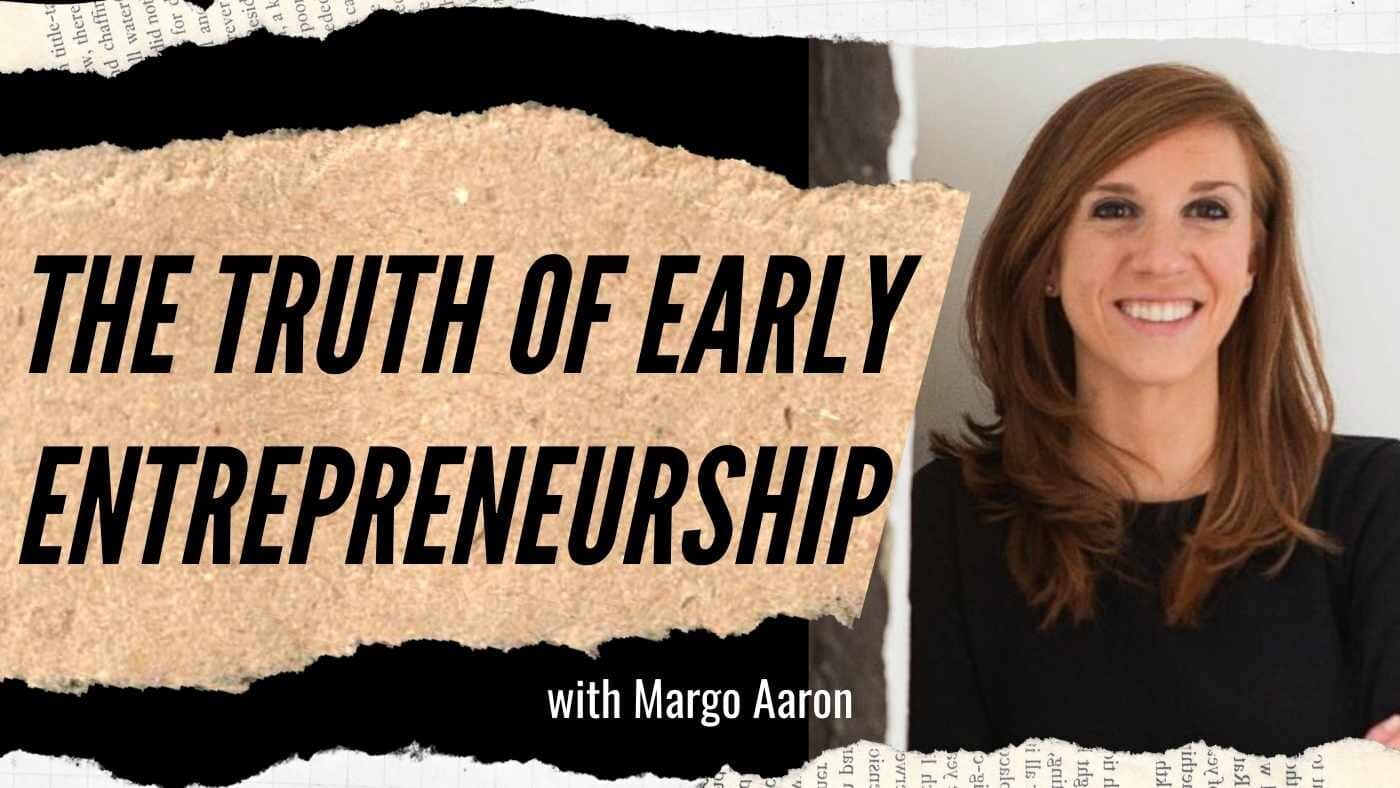
I met Margo Aaron ( @margoaaron ) through Seth Godin’s altMBA course in early 2017, a transformational experience that helped me realize my potential and grasp where I want to take Feisworld. Most importantly, I was able to meet lots of likeminded people. Margo was one of them.
This conversation was brutally honest and invigorating to both of us. Nobody tells the truth, the behind-the-scenes stories of early entrepreneurship. That’s precisely what we are here to do.
We might offend some of you, who believe climbing the corporate ladder is the only way, or prefer sitting in meetings rather than getting things done.
Margo and I opened with the unfortunate phenomenon of women bullying other women at work (what we can do about it), the vicious cycle of constant travel, long hours and extremely poor dietary choices.
How I Discovered Margo
As part of altMBA, we did a lot of writing, reviewing and providing feedback for each other’s work, and shipping constantly – every 72 hours. Margo’s writing grabbed me.
It was midnight before our assignment was due, I was utterly exhausted but couldn’t stop reading. That’s when I realized that Margo could be a great candidate for Feisworld.
Soon after altMBA concluded, Margo was recognized with the highest honor from the entire cohort – the Walker’s Award.
Margo and Her Business
Margo works for herself and she runs a blog called That Seems Important, where she helps shift your perspective of what it means to be successful and change the world. She dares to talk about things such as “Mastering your own inner psychology”, and “The uncomfortable truth behind what it takes to lead”.
I’m on her email list, and it’s one of the few I read regularly.
A psychology-researcher by training, a hardworking and talented writer at heart, Margo is a regular contributor for Business Insider, Huffington Post, Entrepreneur and Inc among others.
The Arena
Margo created the Arena, a virtual co-working space for solopreneurs with online businesses and virtual companies. She believes that “You don’t need another course. You need a tribe.”
“The difference between having friends who ‘get it’ and friends who don’t is the difference between success and failure. ” – Margo Aaron
This is a rare and yet irreplaceable opportunity for other to learn about early entrepreneurship. Talking to Margo and people like her has been my great pleasure as part of Feisworld. If you enjoy this episode, please share with one person to spread the word of these unsung heroes and self-made artists.
Part 1
- [06:00] The work life known in many corporations and agencies
- [08:00] Personal growth within the agency world
- [12:00] Fei relating to Margo’s experience while working for agencies, and how they had to adapt their lifestyle to their work.
- [22:00] When did Margo leave the agency life? What has she been doing since then?
- [25:00] Margo’s first business experience
- [28:00] Margo’s current business model (and one key takeaway if you remember nothing else from this episode)
- [35:00] Margo’s “Arena” – the tribe and all the details Fei was dying to know
- [38:00] The launch process for the “Arena”
- [40:00] The outreach and marketing program for the “Arena”
Part 2
- [02:00] How is the “Arena” same or different from altMBA?
- [04:00] What is the general format month to month? How many things are predetermined upfront versus changing dynamically?
- [07:00] Margo’s POV on webinar and keeping the content exclusive to its members
- [11:00] Concept to Reality (the “Arena” was a homework assignment from altMBA)
- [13:00] What are the tools and resources to support “Arena”?
- [16:00] Fei and Margo sharing the baseline software suite for solopreneurs – Convertkit, Mailchimp, Instapage, SquareSpace, WordPress, AppSumo…
- [22:00] How does Margo manage to write some of your most successful posts?
- [31:00] When and how does Margo ship her blog posts? What are her writing habits?
- [38:00] Final thoughts
Favorite Quotes
Part 1
[11:00] I worked with a girl from someone else’s team and she was so helpful and kind. She would teach me ways to be smarter than her. She wanted me to be better, and I remember thinking that I wanted to run my business that way. I didn’t want to act like I was coming from fear all the time thinking that other people were going to rain on my parade.
[15:00] If you are a person who’s interested in growth, in bettering your life, no matter what it is, if it’s just financial, if it’s relationships, health, if it’s just well being. It’s hard when the culture around you doesn’t reward that kind of behavior.
[19:00] It goes counter to the actual science on productivity, and that was the part that was so frustrating. If they wanted me to be in my best, why wouldn’t you let me sleep, why wouldn’t you let me get real work done, why wouldn’t you let me take care of myself. That is how you do better work. There’s something to be said to really working hard, but at least that hasn’t been my experience in corporations.
[30:00] The psychological mind-field of being considered an expert in one space, and then having to have a beginners mind was very challenging for me. I put up a website and I knew my opt-ins were bad, I knew my CTAs were crappy. All these things I was fixing for clients I didn’t have, and I was so embarrassed about it. I didn’t promote it, I didn’t want to tell anyone. It was a real lesson in humility and what it actually takes to build something and put it out there in the world…
Part 2
[03:00] The connections expand business. People are building partnerships, people are expanding their following. We have one person that went from 10,000 to 60,000 followers on instagram just by playing around with a workshop.
[24:00 ]One of the things I try to do is to think about ‘what would I like to read’. times when I write something and look at it afterwards I have to be able to get out of my own head, of what I want to say, into the mindset of ‘is this actually fun to read’? There’s form and there’s content. There’s a lot of good content out there, but HOW you explain those things is what differentiate you from others…
[26:00] You want the stories, because we remember those. We remember stories more than facts.
[28:00] It’s about the little things that you can do. Because more and more I think that that’s what holds us up in business, in marketing, in life. It is that feeling that everything isn’t fixable, or figuratable. And that’s what I try to convey…
Transcript
Part 1
Transcript
Fei Wu: Hey. Hello. How are you? This is a show for everyone else instead of going after top 1% of the world, we dedicate this podcast to celebrate the lives of the unsung heroes and self-made artists.
Margo Aaron: If you are a person who's interested in growth or interested in bettering your life or rising above your circumstances, well no matter what they are, if it's financial, if it's health, if it's relationships, if it's just wellbeing, it's hard when the culture around you doesn't reward that kind of.
Fei Wu: It
Margo Aaron: goes counter to the actual science on productivity. That was a part that was so frustrating to me because if they wanted me to be their be my best, why wouldn't you let me sleep? Why wouldn't you let me get real work done? Why wouldn't you let me like take care of myself? That is how you do better work. And at least that hasn't been my experience in corporations. The psychological mind field of being considered an expert in one space and then having to have a beginner's mind was so challenging for me because I put up a website and I knew my options were bad. I knew my CTAs were crappy. I knew like all of these things that I was fixing for clients. I didn't have, and I was so embarrassed about it. So I didn't promote it, I didn't wanna tell anyone, but it was a real lesson in humility and um, what it takes to actually build something and put it out into the world. And it helped me empathize a lot more with my clients in that time. But you have choices in your life, and I love your example of is it not eating at your desk like the little things that you can do because more and more, I think that that's what holds us back in business, in marketing, in life. It is that feeling that everything isn't fixable or figure outable, and that's what I try and convey. Everything I predicted was. You know, like I didn't know until I dug in.
Fei Wu: Hey everyone. Welcome to a brand new episode of Phase World Podcast. This is your host, FA w. I am super excited because this is the first episode in 2019. Before we get started, I have a quick announcement, which is I am currently working on a year in review for Phase World Podcast. If you're interested in finding out more about that for how we monetize, how we make money as a business without counting the download. How we look for guests and things like that. Please sign up for the newsletter, face world.com/newsletter and I will be able to deliver all the behind the scenes on learnings from Face World right to your inbox. No more than a few times a month, I promise. Today on the show I have an unsung hero named Margot Aaron, who I met through Seth Go's l mba. It is an online course I took at the beginning of 2017, a transformational experience that helped me realize my potential where I wanna take Face World, and met a lot of like-minded people who didn't just become friends, but also business partners and mastermind collaborator. As part of L mba, we did a lot of writing, reviewed each other's work, provided feedback, and shipped constantly. Every 72 hours, I happened to read one of Margo's homework assignments and her writing hit me right away. I could not stop. Reading it. I even tiered up halfway through the page. That's precisely when I realized that Margot could be a perfect candidate for phase world. Soon after L MBA concluded, she was recognized as the basically MVP among the entire session across multiple cohorts. I believe the name, the award was called Walker's Award. I wasn't Surpris. So today interviewing Margot, I got to learn so much more beyond, uh, who she is as a colleague or as a classmate. As part of Elton Ba I discover that she runs her blog. That seems important. I'm on her email list, by the way, and it's one of the very few I read regularly. She's also a writer for several major sites such as Business Insider, Huffington Post Entrepreneur, and Income On. She's a speaker, talks about honest to selling secret. And also why your marketing isn't working. On top of that, she conducts workshops for corporations and cover subjects such as Content that Convert Newsletter Bootcamp. You can imagine she's more than qualified to talk about those because her own newsletters are incredibly well written and also effective. One of my personal favorites is the Arena, which is a virtual coworking space she created specifically for solopreneurs with online businesses and virtual companies. Look, what I love about this conversation and really many other episodes on Face World, is that there's. No brag, no empty promises, no constant call to actions. This is a behind the scenes real talk with a real entrepreneur. It's a rare and also irreplaceable opportunity for people to learn about business. If you enjoy this episode, please check out. Others similar to Margo's story on face roll.com, and better yet, subscribe to the show. Believe it or not, that simple action helps us spread the word and engage with other listeners from around the world. Without further ado, please welcome. Marle Aaron to the phase World Podcast. We have so much, uh, overlap. I, you know, I learned a lot working for consulting, for agency, but gosh, that was too long for too many years. Even if you walk in as a confident, like, you know, generally happy person, you probably walk out questioning everything a about yourself or second guessing every moment. Oh my God.
Margo Aaron: Yeah, no, that piece is, is key. I, I remember. Meeting with people after I left the agency world a year or two later, and we got drinks or dinner together and I'd keep up with them and they had all the same problems. There was no growth in who they were as a person or even the type of problems they have. And I think, you know, you're never gonna have no problems. I think that's a, that's just a lie, but the type of problems you have change. And I personally like the problems that come with entrepreneurship. A lot of people don't. The problems that they had, We're still, you know, I can't get to the gym. I'm so fat. Uh, I hate how I look. Every client is the worst. I never can do any of the creative projects I wanna do. What am I doing with my life? Maybe I should get another job. Like it was all the same exact conversations we've been having for years and no actual action behind them. And that just, that wears on you day after. You can't, I personally couldn't be around that kind of toxic thinking. I needed people around me who were like, yeah, okay, so I wanna lose weight, so what are the three ways I'm gonna go to the gym this week? You know, or how am I going to eat differently? Or just thinking in terms of how I can find solutions to the things I'm working on.
Fei Wu: I couldn't echo that more. And I think another layer of the toxic part of an agency life is actually, you don't have that. Support system necessarily within the agency itself. I, I definitely made lifelong friends, but you know, you're in an environment where you're not encouraged to support one another. Yeah. Even among women too, right? We talk about women empowerment, but sometimes the backstabbing start with women against one another. That's something I never really understood. And on one hand, you're on the phone. The clients are screaming, yelling at you, you, you hang up, then you look around. You can't really trust that environment either. So I think that's really, really tough for anybody.
Margo Aaron: That piece is part of what fuels me no matter what my business ends up looking at. You know, it pivots all the time. I think the girl and girl bullying that you see in the corporate sector, it's horrible and it's not gonna be fixed from in there. Like we have to create new types of businesses that raise people up. Forget the fact that men. Not understanding of women who took maternity leave. Um, and there's like a lot of old school mad men inheritance of that culture. So that, that, that aside the women on women hating and pushing people down, like the things that were said to me for, for how I looked, how I talked, what I thought. Like it really didn't matter anything about me. I don't think it was personal. I think it was more that these women thought that the way to succeed was to push others down. and I couldn't get on board with that. And there was the only reason I even knew it was happening. Cause a lot of people say, oh, that's just how it is. You gotta toughen up. Like that's the game. That is not true. It's not true. And the reason I know is because I'd met women who weren't like that. And there was one woman in particular who was not in my team, but she was in someone else's team and happened to do some work with us. And she was so helpful and kind and would teach me ways to be smarter. You know, she like wanted me to be better and I, I remember thinking that I wanted to run my business that way. Where I wanted, I didn't want to act like I was coming from fear all the time, thinking that other people were gonna reign on my parade. That they would talk down to you. I mean, they'd say things like, like, oh, you'll understand when you have kids. Oh, you're young now. So you think that's a good idea. Or you're the, like every part of my experience was discounted, but they never actually showed any curiosity in my life or, or if they didn't even know I had kids or not. Like they people are just mean, and women in particular were mean to
Fei Wu: each other. That's so interesting because I remember when I bring things up like that, I'm very careful. Because when you're working together, some women are like, uh, let's not talk about this and let's not confront this. Or once you, you know, you talk to other people, maybe in banking or somewhere else, I feel like there's some, there's always that overlap, but there's not that exact equivalent of women in marketing versus women in banking or financial services. So the problem actually seems kind of trivial because they're. You know, fewer positions or, uh, availability for women to advance in so many sectors, corporate sectors and think about it. And then there's so many more women now working under huge amount of pressure. I know women working instead of men in certain households too. Uh, but I think we need to coach and really have that. Open conversation is to include women who support one another, and I really like to believe I'm one of those and I'm very, that was kind of my staple, that I wanna help people who are younger and people who are older if they choose to, to help them advance in their career or just eliminate fear and the love of an anxiety for that day. If I could make their day their week better, that was enough for me.
Margo Aaron: Yeah, the, the, the thing that's worked, or at least the approach I've taken, is to lead by example. You know, I think talking to, to young girls has not helped as much as just being the woman that, and that shows them you can be kind. When I meet young people who ask me for coffee or wanna connect, like, I'm really keen on who. Is not wasting my time. You know that they're asking good questions, they've come prepared, they seem really smart. And then I will sit down and I'm happy to talk to them. And when we chat, especially in the context of of women in the workplace, I am constantly trying to connect them and coach them from the back end and saying like, reach out to this person. Tell them this, say this. Like, I want them to be more successful than me. And it's, it's like you're coming from a different energy than the women that I knew in the workplace who were always trying to push me down. I mean, they would say mean things behind my back that they'd know I'd find out about, or they would go after my exact position, make drama where there wasn't any. And it's, it's horrible cuz you'll hear from other people, like, girls are so snotty, girls are so gossipy. And. So I try not to do that. Just don't engage. Um, but when you're in a corporate environment, it's hard. It's hard because that's part of the, um, currency there, you know, it's how people get closer to each other. So in the communities that I've created and, and in the women that I try and rise up, I make sure that we don't do that. Like we're not gonna scream at someone about their parenting. We're not going to saing things about each other behind each other's back. We are just gonna talk about how you can succeed and not be a victim. I think that's really important that people think they're a victim and it gives them an excuse to put other people down.
Fei Wu: Yeah. Yeah. And just the love of insecurity, especially in an agency environment, is huge. And it's very sad to watch young girls, young women and men to come into the agency with so much, you know, hope and optimism. And then even within months, right, they start to mimic whoever's around them and believe that's the right thing to do. Many. Came up to me over the years. I've been an agency. I was an agency for a total of 10 years, which was clearly too long. But I've been on my own, uh, for the past two to three years. I think the past two years, not only because of agency, but also because of entrepreneurship, freelancing, everything else. This is the happiest I've ever been my entire life. So the, the questions, the incentives, like, what's the point of doing this? You know, I, people need a reason to say, Fay, maybe I'll do what you do, but what is the point? And I tell them now, when I left the agency, uh, job, I didn't know, I didn't have any active clients at that time. I decided it was time for me to go and, and within one weekend there were people reaching out to me. And over the past two years, there were people who I helped and coached and were very young, young kids at the time Now. In their mid to late twenties. Right. And then they are, it's interesting. And now they're in the more like mid-management positions and they're the ones who reach out to me and said, we want more of your energy wherever we are now. So people do, do leave the old environment where you both belonged and now they moved on and you're remembered. Totally.
Margo Aaron: I mean, it's these cultures of scarcity that I think are really hard to. To rise up in. So I'll give you an example. Like it's not just a women's issue. I think if you're a person who's interested in growth or interested in bettering your life or rising above your circumstances, well no matter what they are, if it's financial, if it's health, if it's relationships, if it's just wellbeing, it's hard when the culture around you doesn't reward that kind of behavior. So I'll tell you a story that I think illustrates this best. So I used to travel a lot when I worked an agency. It was really wearing on me because I like to go to the gym and I like to eat clean and I also like to get work done. And a lot of times in agency world, you're like professionally going to meetings, like that's your job. And especially when we would travel, I would be in meeting after meeting, after meeting, after meeting, and then you'd go straight to a dinner or have to get drinks with clients. And it was considered team bonding or business development or whatever they wanted to call it. But really they just wanted to drink, which is fine. I drink, but it was more. In lieu of getting work done. So the expectation was you get home at like 11 and then you start working. And this, it was just so backwards to me, and I wasn't senior enough to really push back. And the few times that I had opted out, I looked like not a team player. So I, I had a really hard time with this, so I decided, The cross I was gonna die on was not gonna be drinking, I was gonna drink, was gonna be fine, but health, I wasn't gonna negotiate that. So we were at dinner one night and it was one of those horrible dinners with like 15 people at the table. You can't have a good conversation for your life. And the clients are there and we're there and we're supposed to be bonding and we're going around the, the everyone's ordering and we're supposed to be getting margaritas and tacos and like really heavy food. And I finally said, screw this . Like, I want a glass of wine and a salad. Like, I am not playing this game. I don't care what anyone thinks. I don't care if they think I'm not a team player. I don't wanna pitcher, like, no. And so I ordered and it was awkward. Like it was really awkward because every, you know, people say, make side remarks like, oh, the skinny girl's gonna eat those salad. Cause I'm, I'm little naturally. And um, and I was like, yeah, you know what, fine. Normally those comments made me insecure. Well, here's the interesting part of the story. As we leave four people, I kid you not, male and female, came up to me saying, thank you for ordering normal food, because that's what we wanted to do and it was nice to see you do it. So we felt the courage to, so I didn't even notice that was happening because I was too busy being bombarded by the people saying mean things to me about my eating habits, which aren't weird. Ordering sounds not that weird, but I guess when everyone else is eating something different, You look like a weirdo, but that was my aha moment where I went, okay, so there are people paying attention and everyone feels the
Fei Wu: way I feel. Mm-hmm. . Absolutely. I mean, that example just trigger all these loops of thoughts in my mind of things that happened for the past 10 years, uh, at the agency when you choose to, you know, just when you choose to stand out and just be. Speaking of health, it's such an epidemic of young people with poor, very, very poor health. Um, it's worse in some other countries. I originally grew up in China and moved here when I was in high school, so I mean, I can't even look at some of my classmates now, only in their early thirties. And it's really sad. I, I think since I left the agency world, not for nothing. There I gained 10 pounds and I left and I lost. Right. It's not just what the number on the scale, but just how you feel inside, inside out. I used to think I was the only one having like anxiety all around me and uh, it did not feel right. And there's a one point. That was so bad. I decided I had to do something otherwise I was gonna die. Um, that feeling, you're not really gonna die, but you feel like, wow, that's, so the office was right next to Equinox, which was a gym above and beyond, uh, what I wanted to be part of, but it was right there. So I signed up for it and I knew all the other. Young girls paying $150 way back when the money, they didn't have just, they wanted to take care of themselves and nobody was going, cuz you got no time. You either choose between sleep or you wanna work out. And so, uh, I decided to take right ,
Margo Aaron: that's.
Fei Wu: Take yoga classes, uh, at lunchtime. So that meant that sometimes I had to eat, uh, lunch on my desk. But yoga was so important and so literally at some point was five to 10 girls. Every single, at least every other day, was coming with me. And that feeling of stressful day, being broken down to two with a really nice shower and the workout in between made that period of time possible. I don't know how, otherwise I would have made it.
Margo Aaron: Absolutely. I mean, and the, the thing is, oh, so many things. It goes counter to the actual science on productivity. That was the part that was so frustrating to me because if they wanted me to be their be my best, why would you let me sleep? Why wouldn't you let me get real work done? Why wouldn't you let me like, take care of myself? That's, that is how you do better work and I think, you know, there's something to be said for. Hustle culture and you know, really, really working hard. But I don't think that's what, at least that hasn't been my experience in corporations. Like it was always fake work, right? It's busy work. It's like responding to emails, going from meeting to meeting. So like you think you're busy, but you didn't actually do anything. So you have this existential nonfulfillment fulfillment. Like, like I hadn't actually done anything that day, even though I worked a 15 hour day. Uh, so I ended up negotiating, working from home. and I got everything I needed done in like three hours. And I got in trouble because I need, I was supposed to bill more hours. Oh God. And I was like, this world, you know what? I'm done. And the, the thing that people don't realize is you have a choice. Like people say all the time when you're young, oh, you're so naive. You don't know how the world world works. Like this is just how it is. It doesn't have to be that way. Like you can run companies differently and I think that's what startups do really beautifully. I think a lot of preneurs are working on that, building that into their team where, you know, obviously you can't have a whole day of total self care cuz you do need to do real work. But alls MBA is a, is a perfect example where, You do sometimes have to skip the gym, but you're actually getting fulfilling work done. You're being productive. You are maximizing your brain all in these really amazing ways that don't tax you where you feel depleted. Instead, you might feel tired, but you actually are proud. Of the ult, it's very
Fei Wu: different. Just the energy that I'm getting from you, uh, I feel like we are like a version of each other. I'm not saying we overlap completely, but with that, Suffering a little bit. First world suffering, which I totally, I wanna be careful with that. Um, but it comes with a set of responsibility and inspirations to do what we do today. Yes. And you know, I, I read, uh, a lot of your writings, uh, some of that is personal, some of that is business and resonated with me. Exactly, and I can see why people choose to work with people like us because they don't want to deal with all of which we just talked about. And I think some clients need to smarten up, or maybe you're Nike or someone, you don't care how many, how many millions you spend a month, but at the end of the day, I think results. Do matter. Connections need to happen. It is a connection economy is really interesting. So I would love to learn more about, you know, since when did you leave, um, the agency world and what have you been doing since then? Kind of what that transition was like for you.
Margo Aaron: Sure. Yeah. It was so, I did it very differently than you. I didn't just quit cold. I was about to, and a friend of mine who's way more successful than me, called me up and she. Do not quit your job. That is dumb advice. Like, make sure you have a few clients under your belt first and, and then get going. So for me, I had, I always had that entrepreneurial itch. I knew I was gonna do something on my own, but I didn't know when. And it took hitting that tipping point at, in the agency world to really feel like I didn't, I didn't want to be my boss. That was the problem. So I was like, where is this going if I don't wanna be promoted, like, what am I doing here? So I spent about six months taking clients on the side and weekends and learning. I mean, every mistake in the book, they, I made it. I, I had, the first proposal I ever wrote was for a thousand dollars. And it felt like so much money, right? It was like, oh my God, I can't believe I'm, I'm charging this much . And later, you know, and, and you know, once you actually do it, you realize, oh shoot, like I should have charged. $20,000 for that because I'm an idiot and didn't realize how much work actually goes into these things. So, um, and client management. So it was, it was a wake up call for me and very helpful to learn that while I had a safety net. But it was a horrible time because it was exhausted and I was trying to balance everything. And when you do everything half-assed, you can't do anything well. Um, so I eventually, I had saved up enough to have a lot of runway and I told myself, you have three months to make your revenue goals. And after that, if you don't make them, you have to get a job. How long
Fei Wu: ago was this, by the way?
Margo Aaron: This was in 2014.
Fei Wu: I remember. I I did read that. 2014.
Margo Aaron: Yeah, I think so. Um. I, so I built a service based business after that. Um, I ended up, um, figuring, getting clients was not, I felt a lot like you, where once people knew I was available, um, opportunities started finding me. I was vocal about it though, and I had worked up a really big network at that point and was letting people know that I was available. So at that time I was freelancing, um, for agencies. Since that, that was, seemed to be an easier way for me to, to make income. And then, um, work that evolved into working one on one with clients, um, and building myself into a mini boutique agency. Um, and that was great. I made great money, but I hated it. So I did that for about three years and I honestly built a, a company and I, I didn't love, um, I, I was reproducing a model I think is broken. I think the agency model of having, um, one being full service, it just doesn't work. You need to be niche people need more niche, uh, help and a lot of people are bringing stuff in.
Fei Wu: By the way, were you running it by yourself? Did you have help from elsewhere? I
Margo Aaron: started with a partner and we ended up breaking up Cordially. Cordially. We had different skills and visions for what we wanted. At that time, we were running a branding. We, we had spec specified it was gonna be a branding agency. Um, and then, I got more and more into direct response and, uh, direct marketing and digital, and I really wanted to be in that space. For me personally, just as, as a marketer, I hated doing things that didn't lead to results for people. It drove me nuts, uh, even if the clients were happy, which ended up being the majority of my work where things wouldn't get executed or nothing would actually move forward. So even if the client was happy, you feel like. Fraud because , there's so much red tape to getting anything executed. So yeah, I ran that business for a while by myself, and I had a team of contractors, so I, um, I had a designer, I had copywriters. I had strategists. I mean, you name it, I, I. SEO guy, like I had each person the, the problem was it wasn't a repeatable model or a scalable model. One of the things I wanted to correct that I saw in agencies was that often if you had someone on staff, like an app developer, every proposal you had would include, Hey, we think you should have an app, even if it wasn't in the best interest of the client. So I didn't want people on my staff that I felt obligated to. Maximize. Um, instead I wanted to match, make the creative team with the work that excited them. But as a result, you need a ton of clients to be able to fulfill that on the back end. And they're not always available if they're not your full-time employees. So it's, plus, the better they are, the more expensive they become and the margins on agency world. I, I couldn't make it work. It was just ridiculous.
Fei Wu: No, you did it for three years and let's just say something about that. Right? Most, I mean, most companies, most companies fail within the first six months to a year, and then you learn something on your own. I think you need to get that out of the system because like you, like you are. I also freelance for currently technology companies and, and small boutique agencies, which I absolutely. But it's just me. I control my deliverable, my time, and I literally thought about, and there are many opportunities that present it themselves as in the great people I'm working with right now. I'm just give them a direct referral. I tell the clients I'm not taking the dime from it. This guy, this the girl. On their own, they're gonna do the great job. So if you wanna hire me separately for project management, we're promotional. Whatever work, we'll talk about that separately. Yes. So, um, so I mean, good job on your end. I, I think it was very compelling. Thank you. Yeah. To me as well. So what is the new model you're in now? So it sounds like that agency's behind you. What, what is that? Your day to day? Look like.
Margo Aaron: Yes. So I started a virtual co-working space, but it came out of this journey when I, about two and a half years into building an agency and realizing that I wasn't doing real marketing, I was effectively a client manager. I missed real marketing to be honest with you. I missed writing. I missed connecting with clients or, or customers and understanding the full journey, building funnels, like all of those things. And I felt like I had a lot to say about what was wrong. So I started writing and um, I put up a site called, that seems important.com. And I wanted talk about the, the, the. Underbelly of marketing on all the shady things that I had seen, because I think marketing is truly one of the most powerful tools that you can have for connection. It connects people's problems with their solutions. It connects. So many things are built on the backbone of this power powerful tool for connection. And yet you see people. Abuse that power. You see people push, you see people scream at you. And part of what I had wanted to do through my consultancy I wasn't actually doing, which was empowering companies that I believed in, teaching them the skills so they could do it themselves, participating in ethical marketing. And none of that ended up actually happening because I was so bogged down in the day to day of execution. And that's the reality for most businesses. But for me it was wearing down my health and I was having all the same problems as I did in the agency world. So I was like, you know what? Let's rethink this model. So I spent some time writing and just getting my voice back and list building. I wasn't, I didn't even have a monetizeable goal at this point. I just, I wanted to prove to myself that I had the marketing chops that I was doing for my clients. Cause it's one thing to do it for other people, it's a whole nother thing to do it for yourself. So, Oh my God. Shoemaker has no shoes. Oh, the, the, the psychological mind field of being considered an expert in one space and then having to have a beginner's mind was so challenging for me because I put up a website and I knew my optins were bad. I knew my CTAs were crappy. I knew like all of these things that I was fixing for clients I didn't have, and I was so embarrassed about it. So I didn't promote it. I didn't wanna tell anyone. It was a real lesson in humility and, um, what it takes to actually build something and put it out into the world, and it helped me empathize a lot more with my clients in that time. There is no shortcut. It really, it really affected, made me be louder about my marketing philosophy because I think so many clients are, and people are looking for this pania, like, give me the system, tell me the thing. And there really is no shortcut, and this is part of why I haven't sold a course, even though everyone tells me to. I don't believe you can systematize this. Like you have to go through it on your own and really understand your market and get to know them, and no one can tell you what the perfect channel is gonna be. You have to mess up like you have to do the wrong. You have to do, you have to make a fool of yourself a few times in order to get it right. And that was the piece that I really couldn't do. And that's part of why I applied to mba. All MBA because I knew that I was holding myself back and I was afraid of being loud because one, I didn't wanna see, I didn't want my paying clients to see they were paying me, you know, six figures it to do stuff that I wasn't doing for myself. So I didn't wanna be loud, but, um, pushing through that hurdle, so I finally, Know my audience, know what they want, know what pain points they're suffering with, and who would even be attracted to the things that I'm saying has been an eye-opening experience. Everything I predicted was wrong, you know, like I didn't know until I dug in. And now, and that's, that's where the virtual co-working space came from, is that I got to know people and more and more they were asking me questions about marketing and I. I realized that they were all obsessed with taking courses and getting better and wanting to learn and constantly learning and learning and learning. But where they were getting stuck was not actually, cuz they didn't know the information. It was cause it's really freaking hard to implement by yourself. Like you need people who are like you. When you get that idea that you're excited about something and you have figured something out and you're like, okay, this is what we're gonna do, and you start to implement. Either four days later to two months later, somewhere in that span, you wake up and realize you're an idiot and that nothing's gonna work and you should probably just get a job. And like you put a spiral of self doubt and that actual problem, it's not marketing. And so once I figured that out, it was a huge aha moment for me because I went, okay, I'm not gonna sell these people marketing. I can fix that. That's not gonna actually help them with their. And I saw this in my client work too. The clients know what to do. They don't do it, so it's not a matter of not having the information. So I said, you know what they need is they need coworkers. There are so many entrepreneurs that are on their own. They don't have a team or they have a team of contractors, or they don't have a partner. Even if they have employees, they don't necessarily have someone that they could just brainstorm with, which makes such a difference. A lot of us, like this is what I was doing. I was using my spouse. I would come home every day and I would tell my husband, You know, I would just verbal vomit on him, all these amazing ideas, and he'd just look at me like Doey and be like, yeah, that's cool. Mm-hmm. . Mm-hmm. What? And it totally demolishes you. Even though he's my biggest fan. Mm-hmm. . Having him like, I was like, honey, you have to, no, no, no. That's not how this works. Like you have to have an idea. And then I chew on the idea and then we give it back. And I was explaining to him the mechanics of a brainstorm, right? Like just how it
Fei Wu: actually, oh, I have the opposite problem sometime. I just want someone to, to be there and listen and my partner is like commenting on every ideas. Like, no, no, no. Hold on. I actually, I got this all worked out. I'm just telling you this. That's so funny. That's
Margo Aaron: what's worked for me on that is, um, I, I started prefacing like when I'm venting and when I want feedback.
Fei Wu: Oh, I, I need to preface that. I, that's such a great strategy to talk to anybody, not just a partner or a husband. You know, that's so important. It's like if you are true, if you're taking up somebody's time, like what, what is the purpose of that person in the role of those conversation? And you also don't wanna come across as being too bossy to say, I'm talking. Your role is this? Yeah. Predetermined. They're like, we wanna be part of this .
Margo Aaron: I'm actually excited about. I it's, it's relieving, you know? Cause you're, as a friend, you're always wanting to give advice and help and solve. Yeah, yeah, yeah. But sometimes you just need to work it out yourself and, and talk through it and hear yourself out loud. So you're right that, that is part of it too. But yeah, so I wanted to create a container for that for people and. . And so, um, one, one of the things that really struck me is I'm, so, I live, um, right outside Manhattan and I have connections physically to so many amazing people. I'm in the minority. Like, if you don't live in a city like this, it's really hard to find like-minded entrepreneurs and especially ones that aren't entrepreneurs. I, I've, I've joined a lot of communi. Of entrepreneurs that I've spent so much money connecting with people who don't take advice, who never implement, who are full of good ideas and never actually get skin in the game. And it was making me. Crazy. Oh my God, I can stand it. So what I did, I was like, screw it. This is what's gonna happen. I, I, I put up a filter and I was like, this is, you have to apply to this space and I'm not letting it you in. If you have a side hustle, like you can come in. If you have a full-time gig and you eat what you kill, like I, I need people with that kind of pressure on their back. What's the need
Fei Wu: space and how, how do people apply? How many people do you have so
Margo Aaron: far? Well, we're expanding right now, but I, uh, so, so I'll tell you a little about it. Um, so it's called the Arena, but you can find out about it on my website, um, that seems important. Dot com. You'll see a little thing that says Virtual co-working. And right now we have, we have virtual. So you have coworker catalog of people who I have vetted that are, uh, it's a specific type of entrepreneur. I should say. If you're, if you're starting a SaaS company or a startup, you probably won't get much from it cuz we don't talk VC funding or anything like that. But it's, it's for people who are driven by both purpose, passion, and profit. Um, because I find that. Those types of entrepreneurs have the hardest time because if you're focused on profit, like it's really not that difficult. I mean, that sounds like terrible. It is difficult, but it's a lot easier if you're not connected, if you really, really care. Sometimes it feels like profit and purpose motivations are in conflict, and so I wanted. Those kind of people in this space. Um, and so we have about 20 people right now, but it, it is expanding, um, who have weekly, um, accountability, but we also do happy hours. We do marketing strategy smack downs. Um, we have experts come in once a month, um, to give you a workshop and talk about things that we're embarrassed we don't know in public, like seo. Oh, this sounds
Fei Wu: amazing. And is this like a membership, uh, fee fee.
Margo Aaron: So we do, we do a membership fee. Um, right now you can do three months, six months, or 12 months and come in and, uh, you can always extend or pause. I wanna make room for real life. The thing that I'm trying really hard to is also to attract, um, people who have families and, and. People who are coupled. Cuz I think right now you got a lot of solopreneurs who are digital nomads and are like, hustle and disconnect and don't talk to anyone. I'm like, that's cute. Do you not have a husband, um, , like what would you do if you disappeared for a month? But okay. Yeah, you were talking about, um, so we do a lot of virtual events. Um, and we have, um, a space where you can, uh, we have a Slack channel that we, we talk on, but I'm actually gonna move us, I think, to Mighty Networks pretty soon, which is Well,
Fei Wu: that's really incredible. I mean, where did this idea stem from? Uh, you, you just talked about that, but for you to launch it, I mean, how long ago was this? A year ago?
Margo Aaron: Oh my God, no. Like this was, this year. It was kind of a product of all MBA is I. I decided this was really embarrassing and it's, I guess it's funny in retrospect, but I put up the sales page on a Google Doc because I just wanted to test it. I love it and I was shocked that it was converting really well. So I let in maybe less than a third of the people who actually applied. So I was, um, I was shocked, like, and, and I'm so mad because I can't actually track the traffic. Um, so I don't know what my conversion rates are, but I just put it up and I, I didn't tell very many people. I'm not even sure I put it up on my blog. I, I let individual people know who had expressed an interest in something like this, and people just started applying.
Fei Wu: So how did you reach out? So is it through your email list that you've been building? How did you reach out to those people?
Margo Aaron: So, no, I, this was people I knew, um, and where I got the idea. Some, some of it came from my email list. I, I might have mentioned it in a PS or something, but I really didn't promote it much because I wanted to, one, I wanted to test it. Uh, I wanted an MVP first. And, uh, two, I wanted to make sure that, uh, that it was working and functional. Um, I had tried a beta version, uh, that was. The year before and it didn't go well. So I, I got a lot of great, uh, learnings from that. But it was, uh, one, don't ever test something free. Just don't do it. People, if anyone's listening, if you take nothing away from this podcast, when you test something, make people pay for it. Um, it's number one. Um, two, I learned that there's, there's a lot of subsets of entrepreneurs and I had put too many together on different levels, so I had a bunch of really, really successful friends. Had, you know, either sold businesses or were at that, uh, just at a much higher level. They'd been in the game maybe 10 plus years, and they really didn't wanna help someone who'd been there for two, you know, they were just like, these aren't questions that are relevant to me. So breaking those up into two different categories was really helpful. Pricing wise. It was interesting too, because people who were 10 plus years in business thought I wasn't charging. And people who were less than three years in thought it was expensive. So it was interesting.
Fei Wu: What is the price range? Uh, you know, the 3, 6, 9 months membership? What is it like?
Margo Aaron: Sure, sure. So, um, there, that's a really good question. So I'm, I don't have it off the top of my head, but it's effectively 1 99 a month and it tailors down, uh, to I think 1 79 or 1 69,
Fei Wu: depending, based on how many months that you sign up. Yeah. Hope you enjoy this episode of the Phase World Podcast. My team and I will be thrilled if you choose to write as a review on iTunes. It really helps to get the word. Simply search for a phase world podcast in your iTunes app under podcast. Click on readings and reviews tab and then write a review. The star review takes seconds or a brief text review will be fantastic too. Thank you on behalf of me and my team from phase World.
Part 2
Transcript (Part 2)
Fei Wu: Hey. Hello. How are you? This is a show for everyone else instead of going after top 1% of the world, we dedicate this podcast to celebrate the lives of the unsung heroes and self-made artists. Hi, there it is, your host, FA W, and you're listening to part two of the episode with Margo Aaron.
Margo Aaron: Um,
Fei Wu: so, so let's talk about the space for a second. Yeah. You live in Manhattan. It's, as we all know, it's a very expensive, uh, spot even for outer skirt, , New York in general. Yeah. Um, so how big is this space? I mean, what, how did you find this space? It's
Margo Aaron: not a physical space. It's virtual. So that's what's so amazing, right? So that's, that's the point is that, um, I have joined so many physical co-working spaces and you don't have that sense of camaraderie or community. I love it. ,
Fei Wu: you kept saying it. I was somehow in my, you know, it's so, and I think L MBA is very much online.
Margo Aaron: Very similar. Very similar. I wanted to, I actually also me would be great. And we have a lot of people in there. Um, but. It wasn't specific enough. I felt like even in the I was meeting people and I was like, you don't have a business, you're just awesome. But I wanna talk to someone as a business. And, um, yeah. So I wanted to connect people, but the, the actual space, um, I would love to do more in person events like this is, this is a promise I have to the community and that's part of why I wanna expand is. You can't do that unless you have a critical mass of people in one specific area. And the people I really wanna reach are the ones that aren't in Manhattan. I think it's really easy to connect here, uh, but I'm originally from Texas and you, it's hard to find people in Houston. It's hard to find people in Kansas. It's hard to find people in Montana or like places that don't necessarily have a startup culture, a alt MBA culture. Have a growth mindset type of people, it's hard to find that. So I have managed to, to attract them through my website, through that seems important. Um, and I know that they're all looking for each other. So like my goal is just to connect them, um, amazing. A little bit with marketing. Great. I will, but I, I think the connections Fay, like they. Expand business. They really do. Um, aside from anything that I do, like people are building partnerships, people are expanding their followings. We have one person who went from 10,000 to 60,000 followers on Instagram just by playing around. So she did a member's only workshop for us on like what she did, and now she's helping other members. You know, it's stuff like that that. That outside. I, I, I never got that from a WeWork. It's, it was always like the formalized thing and I know that is their system and you're not the
Fei Wu: real value. Yeah, I know the WeWork in Boston mean one of my clients is there and, um, people are, I don't even see people talk to each other. It's the same little corner. People ying lunch on their own. But I love the physical space of it. Uh, that is so beautifully said. So. Yeah, let's, I have some questions related to the events, which, which you already talked about. A high level, like experts will come in and so what is that general format like month to month? So like how many times a week and what are there the topics predetermined, you know, Or impro or people just have their camera on like working, but there no others are there. Anyway, I tried that. No
Margo Aaron: one used it. Um, cause like two people were like, oh, I thought that's what it was. And I was like, oh, okay. If you want that, we can have a constant zoom space. No one used it. Mm-hmm. . Cause it's creepy. So, um, so yeah, it's a really good question. So there's only about two things I. Set in stone and then everything else is self-organized. So I always tell people when, when I interview them, like, this space is what you make of it. So some people have actually never used the Slack channel, which is insane to me cause I don't know why you pay for something and not use it. But they get lots of value because I do, um, oh, I didn't mention this. I facilitate introductions. So I'll one on one introduce you via email so you're not coming in cold. And um, and I'll match, make you based on what you've told me some of your business issues are or things you wanna know. So if you're like, I'm a developer and I really wanna. Meet designers, you know, like, I'll work with that. Or I'm building a team for the first time and I don't know how to do it, you know, I'll focus on those things. Or if you're, you know, all from Colorado, you know, like, I'll be like, oh wow, wow. So, um, so that's one piece that they get out of it. But everything else is, so I have the expert interviews that is not set in stone. It's really based on who, sorry? It's set in stone in terms of every month. That's guaranteed, but it's not set in stone in. Topic because I have to schedule it and you never really know. So, um, and I'm trying to react more to the community. So there are things that I think they wanna know and then I find out they want something else. So I'm trying to work kind of fluidly with what people are asking for. So we've had, um, just to give you an idea, We had a guy named Jan Roos, who is a PPC expert. He runs, uh, expert engines.co. Um, we had, uh, the CEO of Bradford Crabtree, which is an SEO company. Come in and give us the greatest chat on seo. I ended up turning it into an ink article. It was so good. Oh, wow. and we also had Sarah Jones who runs introverted afla.com. She did an AMA with us. So we didn't have her do a workshop. We just had her like, talk about how the frick, she does this, um, she runs a, uh, a coaching company for introverted men like who wanna find romance. It was just so interesting cause like, There's no way. That's a real . And, um, and then this month we're gonna have, uh, Eric Johnson, who's a friend of mine that works at the Behavioral Insights team at Morningstar. So he's gonna talk about growth hacking and marketing and behavioral economics. So, so yeah, that's, those are sentence. Stone and they're, uh, recorded for members only. So if you can't make it, it's fine. But the value I think comes out of being able to ask questions. Um,
Fei Wu: wow. Could some of those be, so this is why members only makes the space very special and people want more, more likely to wanna opt in. What are the likelihood if some of those videos be converted into webinars so that you charge and they'll maybe open to the general public? Is that even already? I
Margo Aaron: don't want to, like, I was hoping that you would say that. I know I should, I know those convert really well. Um, I want the space to be protected like I want it to be where you can talk about specifics of your business that you wouldn't be comfortable with in public. And I tell that to my guests too. Like if they wanna repurpose any of the content, I, I highly, I mean, I tell them no , so there's occasionally I'll say you can use like a clip of just yourself, but um, if there are my people in it, absolutely not. Yeah,
Fei Wu: yeah, you do. I mean that in general, you do need an. People's permission on doing. Yeah.
Margo Aaron: Yeah. And I wanted to feel. For sure, for sure.
Fei Wu: That is so fascinating. I mean, I really, yeah, so I, I was very eye opening. I mean, I just feel like this conversation, uh, is so helpful in a way. It's almost, it's more helpful. I can see why people wanna talk to you one on one or you meaning anybody of those experts within the group. Cause people need, we really need this intimate. Conversation, this trust, uh, you know, this can happen without the recorder turned on too. Yeah. Yeah. And we don't have that anymore. I feel like the, it, the, the society at large is craving for this. And Yes. Um, you, through this conversation, it gave me so many ideas because so many people text me and email me. You know, not every day, but these days weekly to say, how do you do what you do? Can I ask you a question? I'm really embarrassed to even post it anywhere. LinkedIn. Uh, so some are related podcasting. A lot of them are related to freelancing. And I felt like, why don't I create a and I. You know, in the back end, like it's so much work to connect people, you know, all the time. And I become bottleneck, right? Like if I don't do my work and they will never talk to each other. Yeah, they will never know each other. But this is so fascinating. I mean, I feel like I can't find the right word right now, but the, the, the frequency of what, you know, what we're. We're talking about what we're trying to do, even though differently, but there's so many similarities. It, it's like this decision that we have to make on a daily basis of what we share and how do we balance kind work versus, um, you know, our own work. So it's, on one hand it's really compelling, you know, with my hour, my hourly rate is fairly reasonable. Um, it's not low. So to me, Rather profitable every hour I work, you know, I, I get paid. But I recently, I started to think, um, you know, this whole, uh, hours for dollars sort of model that's no longer compelling. Um, right. I, I noticed. My day with multiple clients are every half an hour I have a meeting and I can't really do much within those 15 minutes if I'm lucky if the standup actually ends in 15 minutes. So the, this whole model shift and I feel like you really, um, very much advanced compared to where I am currently and just out of an, you know, l MBA assignment, you turn this into a real thing, it's.
Margo Aaron: Thank you. Thank you for that. And I, let me just emphasize with you for a second cuz I so get where you are at. Like, I, I had to say no to a lot of money. To get here. So I don't wanna pretend like this is a walk in the park. I'm lucky I don't have kids yet. Like it, it, I, I was fine to be able to do that and I saved a lot of runway. But, um, say, you know, changing your business model, the first shift I made when I was a what where you are is I just did project fees. Across the board. I did that about two years ago, three years ago, two years ago. And that changed a lot for me because one, I hated being tracked on time and it incentivized me to be inefficient and I hated that piece. And sometimes the. I'm trained as a strategist. So sometimes I would spend like an entire day on research and I don't want clients to know that. Like I don't want them to be billed for the fact that I read slowly and in depth, right? Like that bothered me. So just putting that in made me feel better and buffering it. Um, and then the other piece is client management is such a full-time job that it was almost more expensive with my time than the actual deliverables. So project fees really helped, but what I didn't do that if you can do this, then you will build the business. I couldn't do, um, systematizing my service offerings. So having like specific packages, what I did was I would tailor what I offered to each client, which landed me a lot of really big proposals, but it wasn't repeatable. Um, and, and it destroyed. I think the, our ability to. It wasn't smart cuz people would come to me, they're like, can you do this? And I'm like, I've never done that before, but I will figure it out. Mm-hmm. and. That like, it's, it's a, it's a cool like boots job approach, but it's not actually a good way to run a business. Mm-hmm. , you have to know what to say no to. So learning how to say no to those projects really helped. Mm-hmm. ,
Fei Wu: right? Like, I hear you. It's frustrating. I think there's a, I mean, this is not to add more work to you. A lot of what you just talked about, you know, the mistakes you made from building an agency on your own to now, um, the things you're, what to say no to. I mean, these are such great articles. Maybe you've written them already, and I haven't gotten to them. But there's another part that I was gonna ask is, um, the list of software, right? Virtual working space is quite popular. Uh, we've witnessed that firsthand through l mba and then even they were so honest about, look, we're still trying to figure this out. And there were complaints about how WordPress wasn't running efficiently, was confusing, or, um, so, and then Slack. So what are the, I mean, you don't have to memorize all of them, but what are some of the. Yeah. Starter pack looks like for you
Margo Aaron: to, oh my God. Spins. I actually have this on my to-do list to go, so this be helpful. Gotcha. I mean, for sure. WordPress, you know, I use WordPress, so hosting, um, I'm not a designer, so I actually have a, a friend who did some backend development for me and ended up doing some design based on wire frames I put together. So like I bootstrapped that, but that would've. A ton of money and everyone who tells you, you know, you can do a drag and drop builder. I couldn't, like, I'm a writer, I don't have good eyes. So like I, I taught myself WordPress and Design, so Faye, you'll, you'll laugh, but, um, I, I was like in tears trying to figure out how to work D Builder, which was like the easiest one. Just couldn't do it. ,
Fei Wu: dvy, DVY can get pretty evil though. Uh, sorry. It's true. Um, thank you. Yeah. Trying to simplify and actually make things more complicated, right? Yeah. So, It's much better than not having it. I appreciate in some aspects, but it's not a beginner's first roadie. Now I feel better about
Margo Aaron: my skills, but that was one of those things where I was like, you either like, this is an inefficient use of my time. I need to outsource this. So that's one. Then you have payment processing, so I think we use WooCommerce and Stripe. Mm-hmm. , uh, convert Kit. I switched from MailChimp to convert Kit, so that cost me maybe 30 bucks a month. Um, yeah. Why is
Fei Wu: that? Why did you.
Margo Aaron: Um, uh, that's a great question. A few reasons. Email is my primary channel, so for me, that's the most important part of my, uh, business. More than, um, more than my website, more than like any other thing I do. So I, I wanted a, uh, a software that, well, what was, what was MailChip doing? Uh, it was. And there's something called content upgrades, where at the end of a blog post you have like a, a call to action that says, for more on this, um, you know, sign up for this. And you'll probably see it if you guys look at my website. But, um, I couldn't do more sophisticated opt-ins with MailChimp and it wasn't integrating well with WordPress. Like, not in any way that. Beautiful. Um, or even little things like on Twitter, I wanted a link in my bio that went directly to a landing page and mail chimps just
Fei Wu: looked weird. Oh, well, males chimps landing pages couldn't be more minimum. But Squarespace does. Squarespace does come with some, uh, cover pages. Yes. Template. Would you.
Margo Aaron: Squarespace is great. And so I also pay for Squarespace because my old business was hosted on them. So I have like my, my old boutique firm is on there and I haven't taken it down. Um, so I career can also, it's amazing for email marketing. So if you are a blogger or someone who does one-on-one emails, not newsletters, if you're doing broadcast stuff, don't do them. They have basically no. But for someone like me who's a writer who wants long form emails to feel really intimate, the deliverability is better, the interface is amazing. Um, they also do, don't double count your subscribers. So in MailChimp you have lists, um, and if you have the same person on multiple lists, you're double charged for that. Um, convert Kit doesn't do that. You just have like one giant list and they're tagged differently. So the back end's really friendly and their help is amazing. Help is amazing. Like they're, they're built specifically for people of businesses like you and I, I think that's part
Fei Wu: of it too. I was on the fence, I just downloaded their trial version. I wasn't sure, um, I was gonna do it because I also started with MailChimp and I finally hooked everything up. But, you know, in the long run, uh, I think it would be more helpful. I mean, that list really goes on. Right. And there's also lead pages. There's lead pages. I have Zoom,
Margo Aaron: I have like, those are, those are. 500 something, you know, like it ends up being
Fei Wu: adds up quickly. Absolutely. Yeah. And especially if you're starting out, but obviously with your rate of more enough people, subs, 20 people, that's already pretty substantial. Right. And if you can make that into a hundred people and that, that's your easy six figure business already, so you know that that wouldn't be a, a problem. So, so you got convert kit, you, you're using Insta, you're using Lead page. Lead
Margo Aaron: pages. I love lead pages. They're worth every frigging penny. Oh, wow. Um, I love them. Um, I'm not a designer, so they have like a lot of really great built in tools, but as someone who's a direct response marketer and copywriter, it's. Their stuff is using the best research. So one of the things I find that's a big divide in our, in my space, at least I in your space, I think we're in the same space. Yeah, we are. But uh, is that there's a lot of confusion between what's pretty and what works and, um, That was kind of my biggest point of contention with clients is they'd be like, that isn't pretty. And like, but it converts. Like you just have to know. And if you haven't been schooled with the right eyes to understand, it's really, it's effectively ux. Mm-hmm. And, uh, you don't know what that looks like. And Lead pages has. Templates that are beautiful, but they're also maximized and optimized for conversion, so you can get an idea of how things work instead of, I've seen some really beautiful splash pages, but like they're confusing. You can't see the call to actions. You know that.
Fei Wu: Yeah. So for example, my follow up question is based on, you know, convert Kit does come with some of the landing pages, as you know. So does, yes. Right. So what
Margo Aaron: I bought pages first. , what is it? That's the honest answer. I bought Lead Pages first and then switched to Convert Kit and it was already paid for. So now I have both, but yeah, technically I wouldn't have needed. Yeah,
Fei Wu: yeah. Okay. Interesting. Well, some, it depends. You might still need lead pages, I think. Get to a place to, I don't mean the Tony Robbins and Tim Ferriss of the world, but when you have like courses, countdowns, you know what I mean? Like when it gets complicated, I really started, this was the question I asked myself for like two weeks already to say, when do I see myself jump to lead pages and Insta pages? I bought in pages last year. I built one lining page and didn't use it. Um, you know, it's like, why did I even pay for the annual fee? They totally got me.
Margo Aaron: Yes, they got me
Fei Wu: with their conversion, uh, UX tactics, and I just, I couldn't help it. But I think for, you know, people who are listening, who are just starting out, start with the absolute minimum, um, software. But you need to know what that is. It's actually a trickier question. It's actually easier to buy everything and think that you have it all. And try to figure out versus knowing that what is the bare minimum looks like? What is your, you know, capsule wardrobe? What is your capsule
Margo Aaron: software list? Software. I love that. Right.
Fei Wu: Actually I'm gonna, yeah. I've been like dying to write about that and um, neat. Oh my
Margo Aaron: god, that's such a good reframe. It's so helpful. Yeah. Plus I think there are some style bloggers who would like be all over that . No, it's such a good point cuz self-awareness is a part of this that we often dismiss as like woo woo, personal development. Like who cares? But like, if you don't know yourself and what business you're actually creating, we have these ideas have in your mind of what you absolutely must have and it's not true. Um, The things, the one thing I was right about that, that other people weren't was, um, app Sumo. So, opt-ins are really important for me because I, um, everything I do is email. And so every developer I talk to, every designer was like, these are annoying. Like, can we please use something else? Do you hate this? And I'm like, Nope. It works. I keeping them .
Fei Wu: Yeah. I have Sumo. I have a, that's like an incredible company. Even though some people say it slows down your, uh, WordPress site, your, your website in general because of all the APIs and the JavaScript they're running on the back end. But, and I did email their support and they say it's not true. And, um, don't believe in those, you know, low page. Low times, not true. It's so smart, the stuff that they, they do in terms of when to just before you're ready to leave the website, the popup comes up. I mean, that, this just sounds like, you know, super intelligence. So, um, yeah, that's, that's basically my, my stack right there, uh, is, uh, currently MailChimp. I'm thinking about Convert Kit, especially after this conversation, a squarer space and then Sumo me. That's it. I feel like that is my capsule software. I absolutely wanna continue this, but I also really wanna talk about your writing. Let's go, let's, let's do this. So my first. My first experience with your writing was, I don't even remember the assignment, but I think it was about writing something about ourselves that others don't know. And I told my partner about this. I told at least 10 other people, but I remember the beginning of it, which was, you know, my name is Margot. You know this cuz I just told you about what you don't know is my aunt's name. Was Margot and you know, and we lost her. And, you know, you talked about your, um, heritage being Jewish. First of all, I couldn't stop reading, you know, and it was so captivating. There are many articles that I actually love the people who wrote them, but you know, I really wouldn't mind going to grab. You know, some croissant or some coffee or something to keep going. But uh, and I remember just midway through, you talk about the almost your lineage and that is so precious that you're named after you're on and the survival of your great-grandfather. Your grandfather was a result of someone and was as a result of someone looking the other way of someone of lending a helping hand. And that. It's something so profound, you know, um, about our life, about how anybody got to where they are. Um, but in your case it was, it was a, um, survival ship, right? So, oh,
Margo Aaron: I appreciate that. I remember that post, and that was a, a hard one for me, for me to write. Cause you know, you get a lot of scripts that go off in your head that say, no one actually cares about this. Um, and I. One of the things I try and do is what would I like to read? And nine times outta 10 I, when I write something and I look at it, you have to, you know, we were talking about self-awareness earlier. You have to be able to get out of your own head of like what you want to say and get into the mindset of like, Is this actually fun to read? Um, because there's, there's form and then there's content. And I think that we get really, really, like people are good at content, right? We have lots of things to teach. We have lots of things to learn, lots of things to explain to other people, but how you explain those things is what really differentiates you. So where, where people tend to get stuck is they'll say, well, no one, you know, the world doesn't need another marketing blog. Everyone knows, you know, this about seo, or everyone knows this about ppc. And they are right. They're right. Everyone does know those things, but they haven't heard them the way that you have to say them. And that's the thing that actually sets things apart. So my SEO piece is a good example of this, and I'll get back to storytelling in a second. Um, where the, the reason that it's spreading the way it is, is not because there's anything in there you can't find elsewhere. All of it is regurgit. There is no new information in this post. Zero. Okay. Um, what makes it interesting is that I took the narrative. From, here's what you need to know about SEO to, okay guys, I've been in business for five years and I, honest to God, have no idea how this works. So here's what I understand based on what he said. So it seems like you got this and you got that, and then within this, you gotta do this, this, and this. Don't ask me why you just gotta do 'em. You know? And like taking that tone of, of someone. Um, is confused. , who's honest, who is transparent, and who sounds like a human. You immediately can empathize with immediately and that's what you want when you're reading something. You want to be able to empathize with the reader. It's not a textbook. If you're writing textbooks, that's different , and I would say you should still use more story, but, um, In general, the reader doesn't wanna be bored. You know, the role is to pull them into, into the page, into the story. And so, um, with the post that you're talking about, the approach I took was, um, it was very personal, but I wanted to highlight specific stories because we remember those. We just, do you remember stories more than facts, period. We're like story recognizing pattern machines and um, and I wanted a reframe because I think. I look a certain way. I present myself a certain way, and I recognize that that is confusing to people. Um, for example, there are a lot of assumptions that I'm much younger than I am. There's a lot of assumptions that I haven't experienced hardships. There's a lot of assumptions that I'm very ypi and preppy and, um, like there, there are, I know that these things exist about what I look like, so I, I like to reveal. Once people have made those assumptions that I'm actually only half American, that I actually am third generation Holocaust survivor, that I'm actually part of a minority like that. There are things that they can relate to me to.
Fei Wu: Yeah. Well that's so beautiful, you know? To me, it's just a fascination of, um, right. Wherever we are, it's just a snapshot of, you know, who we really are, but then we are creating history and we can, we we're able to make a difference and for people of the future generations to look back and, you know, see how we transformed ourselves. And I see so much of that in your writing because I, I don't. Sound, make it sound so grand, but even at a very micro level of getting your posts and just have someone's day altered and to be able to think about other possibilities. Thank you.
Margo Aaron: Thank you. Yeah. Listen, my being third generation, it's part of what has driven me to the, the path I've taken and part of why I feel so strongly that I wanna make other people's lives better. The story you referenced earlier about my grandfather is that, um, the reason he was able to cross the French Italian border was because, um, I can't remember which side. I think it was the French hated the Italians and this guy just wanted to say, fuck you and let him through . He was just like, they should have refugees. We don't want 'em. Your, you go piss them off. And like it was that one time. In part it was kindness and the other part was just some personal guy's vendetta. But that tiny action saved its life. And, and I think that, uh, you can do that in your business no matter what it is. So for me, I have an audience, but if, if you have a client or whoever you have, like you have personal agency, that's the biggest part of my message is that you think you have no control. You have control, like there are most of life you don't have control over. Let's, let's just start with that preface, but of the things that piss you off, like you have more options than you think. Like every border patrol guy could have said no to my grandfather and this guy had an option to sneak someone through and no one ever knew. But you have choices in your life. And I love your example of is it not eating at your desk like the little things that you can do? Um, because more and more, I think that that's what holds us back in business, in marketing, in life. It is that feeling that everything isn't fixable or figure outable. And that's what I try and convey like. If, if there's and, and honesty. You know, I think so much we have this facade that everything's perfect, and I've tried to even do this in this interview. Like, I don't want everyone who listens to this to think like Margot has it all together. I don't. Right. Like you have to, you have to recognize that at some point you have the same power as I do to step up. And make something of your life and make something of yourself and do something that affects the lives of others or whatever it is that's burning inside of you. And I want that to come through my writing because there's a trickle down effect. If you feel confident in yourself after you read something of mine, you will send a cold email promoting yourself. You will find a way to touch someone else. Like that's the power in being able to figure out how to connect. But you have to find your. And that that was actually what you were, what you bore witness to during Alt mba. Um, being in the corporate world and working in marketing and as a copywriter for so long, writing other people's stuff, I lost my voice. I didn't know how I should talk. And, and I instead, I had data in my head where I was like, you should sound like this, and so and so says you should write this way. And so and so says this. It took a really long time of consistent writing, you know, year after year it to finally go, okay, no, this is how I wanna do it and this is why. And there's, you know, we talk a lot about product market fit and I don't think we talk enough about product founder fit, which is. What works for you? You know, I like the conversational style. I think the Atlantic will never publish me and they would be right not to because they don't fit there. Um, I, I think the blogosphere and online articles work really well for, for my type of writing. I'm probably more of the Liz Gilbert type of writing, which, you know, some people hate and that's okay. And knowing that your. Is probably gonna be hated by half of the people who read. It is also something you have to recognize. Um, and when you try and sound like what the data says you're supposed to sound like or what you think you're supposed to sound like, you're never connecting. You're never ever gonna connect with the audience on the other side. You're never gonna do it. You have to talk like a human. You have to write like a human. You have to connect like a human, but it has to be in your specific voice.
Fei Wu: I must say that I really hope you consider starting a, like a writer's workshop, like a writer's workspace in addition to, uh, marketing potentially. I think because writing is so necessary these days, most people can no longer write, and that's why yeah, when I start writing, I realize, okay, for 10 years I wrote nothing but emails. , and I was really saddened by that because I always loved writing as a little kid, and I lost it all. So to get back into it wasn't easy, as you can imagine. But you also have this, uh, this burst of energy and content. You don't know how to put it together, but you, it's all there and, yeah. So I, I think there's really an opportunity for you to not just run any writer's workshop, like we're just here to criticize you, to put you in a box, but no, like what you just did and what you said and what you're doing actively. If we have time to talk about your sort of writing routine, cuz you write a lot, you know, you post regularly. I see. So, you know, maybe a couple times a week, at least once a week, based on what I've seen. How do you construct B? Do you outline? Yeah. Do you write, do you go back the next day? I mean, when do you ship? How do you ship? That's such a
Margo Aaron: good question. Yeah, so first off, large chunks of uninterrupted time are built into my schedule. So like tomorrow morning my phone will be off. or I leave it another room where I can't hear it and I will not schedule any meetings. And for me, mornings are key. So having that time that you can just free write, um, is key. Absolutely key. I couldn't do it without that. My articles that are good that will distinguish this, they get edited over time. One of the ones I'm most proud of is called Honest Selling Secrets from a Dishonest Man. And it got, um, last, I check it had gotten like 10,000 shares or something, which I know it was a lot for me. And, um, It was my highest converting to my website, which was interesting. That took me 40 hours over several weeks. It was a lot of work, but that was an article that was a guest post for someone that I had, that I had given them the topic in advance and I had some ideas. So that was one way. My weekly email is never done like that. That's a very different, it's much more alt MBA of like, this needs to go out. And that's because the role of it is different. The role of it is not is one exposure therapy for me to get used to emailing people and getting crickets and not sending something that sounds like a broadcast and just practicing shipping on time and keeping a deadline on a good week. I started on Monday on a bad week. It's written that morning. Depending on whether or not my brain decides to come to work, it's good or bad, period. . Mm-hmm. . So that, that is not what I would advise for people. Ends up with a lot of embarrassment, but it does what, what HA has happened as a result of writing with that frequency is you start to see patterns. So I start to see, no matter what, people pay attention to the message more than the form. I see. No matter what someone's gonna tell me. I have a typo. I see Noma, you start to have this resiliency that you see the patterns in how people respond, that it doesn't feel so frigging personal every time you publish something. Cause that's what used to happen is that I, it would feel so personal that if you got one tiny criticism, even if it was warranted, you would be like, I can't publish anything two months. And you're like, back in your cave.
Fei Wu: Yeah. Yeah. Oh, that's so. I mean, I really struggled big time and as I've mentioned, I don't wanna say, oh, Jewish people are grade writers, but many, many of them are, you know, and I'm surrounded by them. So Are you really? That's so, oh, absolutely. I'm very lucky in that sense because English is not my first language and you know, I didn't go to an international school when I was younger. My writing not only have, uh, typos I try to avoid, but they're also things, I guess one, maybe saying something that I didn't quite mean that way. The grammar's a little bit off. I'm fully aware. So for me, when I started the podcast, I have to talk like this in real time, and then writing at least got a chance to correct myself. Oh man, it's just like a stab in my heart whenever I hear feedback such as, oh, you, you, that's not even what it meant. Or that, you know, you just, you kind of tense up and then you get this in this defensive mechanism. But now it. You know what? My readers got a lot out of this. I can correct it now. It wasn't the end of the world. And that took me that feeling of to, to be, you know, what's her name, Amanda Palmer. Like literally I can just be out there in, in the open and be naked. I'm gonna be okay with it. That's such a powerful
Margo Aaron: thing. Yes. And, and I wanna distinguish that between being fully yourself and being there and really caring about the quality of what you produce, even if it's bad, is so different from being lazy. And I think we confuse the two because if you're being sloppy and you're just like, I'm just gonna post this real quick, and there there's an intentionality that goes into what you're talking about that's very different that I respect and I think every writer would respect because that's how you get better. You have to keep producing, um, what you said about. Feeling self-conscious. There are several different types of writing on the internet and the type you're talking about and being out there in the open is much more about blogging and emailing than about having long form articles that go in the Atlantic or Wall Street Journal or. You know, new Yorker, that's a very different type of writing, and I think you have to distinguish between them because oftentimes what will keep us from doing it is we'll go, oh, well this isn't, this isn't good because it's not Atlantic quality. Um, it's not supposed to be, this is different. That's why copywriting's different. But letting yourself be okay with that and making mistakes is difficult. So you do have to focus on was there still value in this piece? Even if something was misunderstood and I should state across the board, it is bad form, and this is my fault to not have an editor. Like I don't have an editor. I should have an editor and it's something I'm working on because those people can, can look at, um, a good editor makes what you mean come alive and they, they know what you mean and they can put it in your language. Um, that's not a ghost. That's different. Um, but I, but I know the, the best writers I know actually work with amazing
Fei Wu: editors. I also wanna add that editors sometimes need not to be the, the spouse or the closed family members and friends, even, regardless how smart they are. And I think it's the degree of separation is necessary.
Margo Aaron: I used to be really self-conscious when people would say, You're all over the place. I mean, they never said it to me, but they would say it to other people and I would think, oh my God, is that what they're thinking about me? Because in a business, you're constantly pivoting constantly. And it wasn't until I met other entrepreneurs who were in the same. Situation where they're, they would be reacting to the market cuz that's what you need to do. And um, if you don't have that, uh, validation of normalizing all these weird behaviors, and I imagine it's same for the project managers and the same for Right? Like every single uh, field has this, it's enough to derail you. And I think sometimes that's, that's more important than talent, um, to be able to know how to, how to navigate those pieces.
Fei Wu: Mm-hmm. , you know, for the, the, the last few minutes, um, um, are there something that I, you, you feel you wanna talk about? It doesn't have to be any questions I necessarily ask. Okay. Mm-hmm. .
Margo Aaron: Um, yeah, I, I wanna break the stereotype. I, I think if any of you are listening and you're putting pressure on yourself because your business doesn't look the way you think it's supposed to, or, or even if you're in a, in a corporate job and you think you're supposed to be an entrepreneur, like, just don't judge yourself. You know, like everyone who thinks that their life is supposed to be a certain way is gonna end up being unhappy. You have to do what works for you. And I have. Brilliant, brilliant people who are entrepreneurs. And I have met brilliant, brilliant people who are entrepreneurs and I have met brilliant people who are thought leaders. And the more important thing is to know your strength and where and and fit that with the world that you build for yourself. So if you're not a writer and you're listening to this and you're feeling pressured to produce more, don't. Don't write, like get on Instagram and start playing with design or play with photography, or play with audio. Like there are so many or video, like there's so many different ways that you can connect with people that don't rely on what you think it's supposed to look like. So, uh, that would be the message I'd like to leave people with, of just stop judging the process and don't, you know, everyone says trust the system. Do my hack, take my course. Like make up your own rules. The best things happen when you're like, screw it, I wanna do it this way, so do it this way. And guess what? Maybe you'll fuck. Maybe it's totally wrong, but that's okay. And the process of fucking up and doing it wrong and rebuilding yourself is what's gonna make you great. And that is the experience that people rob you of when they try and give you a course that teaches you everything perfect. There's no way to shortcut messing up. You have to mess up, and that is how you learn. So please, please, please, you take nothing else. Don't judge your. Mess up and if your first version isn't something you're totally embarrassed by, you waited too long. I stole that. That is not original for me.
Fei Wu: I love it. I'm so glad you're highlighting the, the courses and just, I like when they say learn from everyone. Follow no one. It's okay to learn, right? If, if on one hand all those courses are incredibly expensive anyway, they charge thousands of dollars and if you're gonna just buy them and not watch them, don't do it. And yeah, there are a lot of free advice out there. So, you know, no, not a single person is right, so, you know, it's okay to read this and that, but I think some people just spend a lot of money just to prove as if they're, you know, like we wanna buy a few expensive things so we don't lose them and. Treasure them. I get that idea. Yeah. But if you don't really treasure that and it's just something you put on the shelf, then it's not worth it. Well, I, I love chatting with you, Margo, and hopefully, I know this won't be the last time, but just wanna close by. Thank you very much for sharing all your insights and just so transparent and honest and, and so exciting. Makes me feel so excited to do what I. Good. You should be. You
Margo Aaron: do such cool stuff. . This was so much fun. It was really nice to virtually meet you.
Fei Wu: I know. I loved it. Thank you, . Thanks for
Margo Aaron: having me. Bye.
Fei Wu: Hope you. This episode of the Phase World Podcast, my team and I will be thrilled if you choose to write as a review on iTunes. It really helps to get the word out. Simply search for a phase world podcast in your iTunes app under podcast, click on readings and reviews tab and then write a review. The star review takes seconds or a brief text review will be fantastic too. Thank you on behalf of me and my team from face.
Acknowledgements/Music
- Nostalgia by Tobu https://soundcloud.com/7obu
- Creative Commons — Attribution 3.0 Unported— CC BY 3.0
- http://creativecommons.org/licenses/b…
- Music promoted by Audio Library https://youtu.be/03AKy9bhOMU
Topics

Written by
Fei WuFei Wu is the founder and CEO of Feisworld Media, a Massachusetts-based digital media company helping brands get discovered by people and by AI. An Adobe Global Ambassador and brand partner to ElevenLabs, Synthesia, and 50+ other tech and AI companies, she hosts the Feisworld Podcast (400+ episodes, 500K+ downloads — guests have included Seth Godin, Steve Wozniak, Chris Voss, and Arianna Huffington) and co-created the documentary Feisworld: Live Your Art on Amazon Prime. Fei writes for CNET, Lifehacker, and PCMag, and her work has been featured in Forbes, Harvard Business Review, and WIRED. She has been publishing on the internet since 2014 — long before AI discoverability had a name.
View all posts by Fei Wu→Stay updated
Weekly insights on content, AI, and digital media.
Keep Reading
Related Articles
Joanne Lipman on Mentors, Untapped Talent and Why Women Should Stop Waiting to Be Perfect
Marc Randolph on Curiosity, Messy Starts and Why “Nobody Knows Anything”