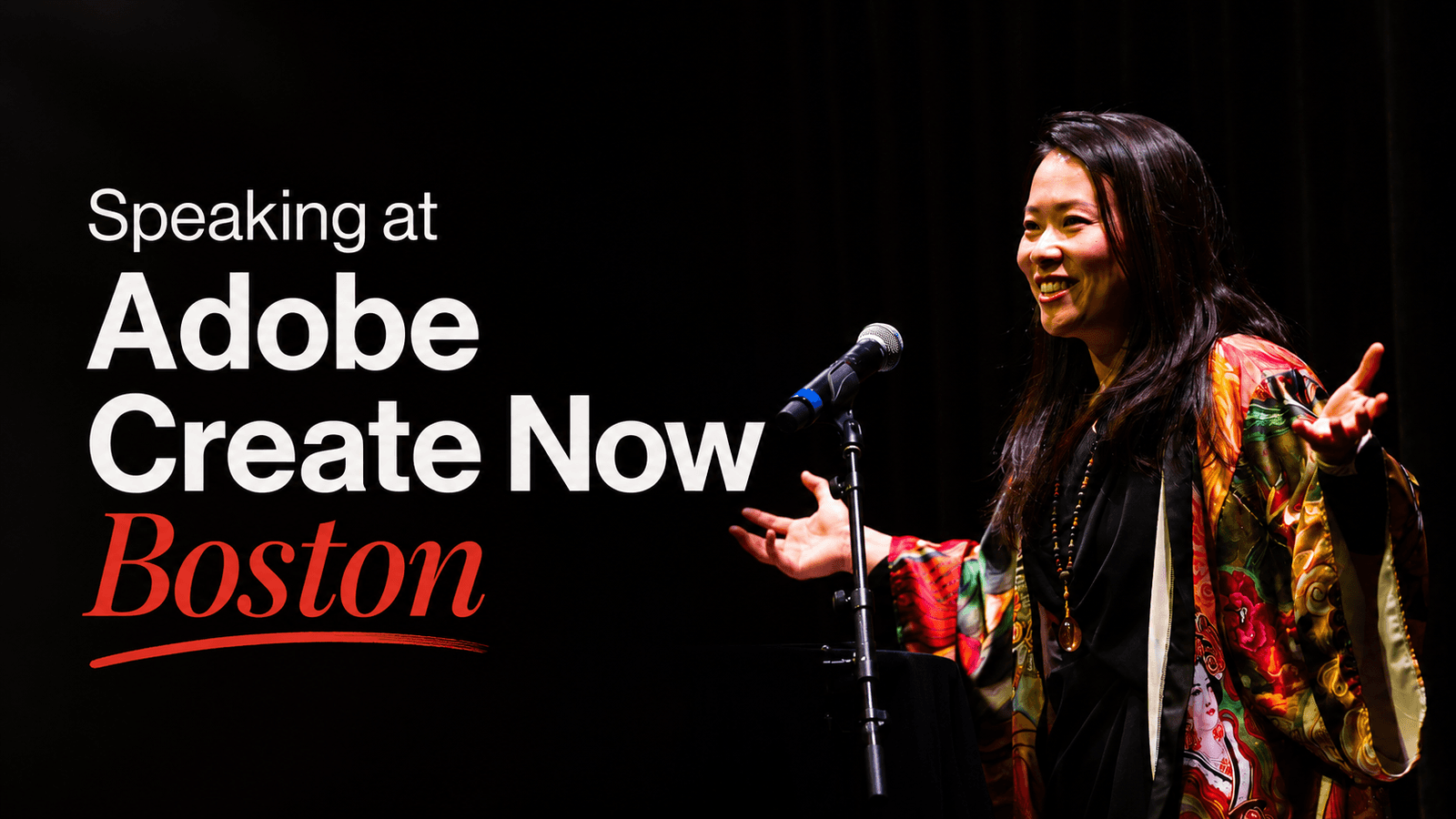
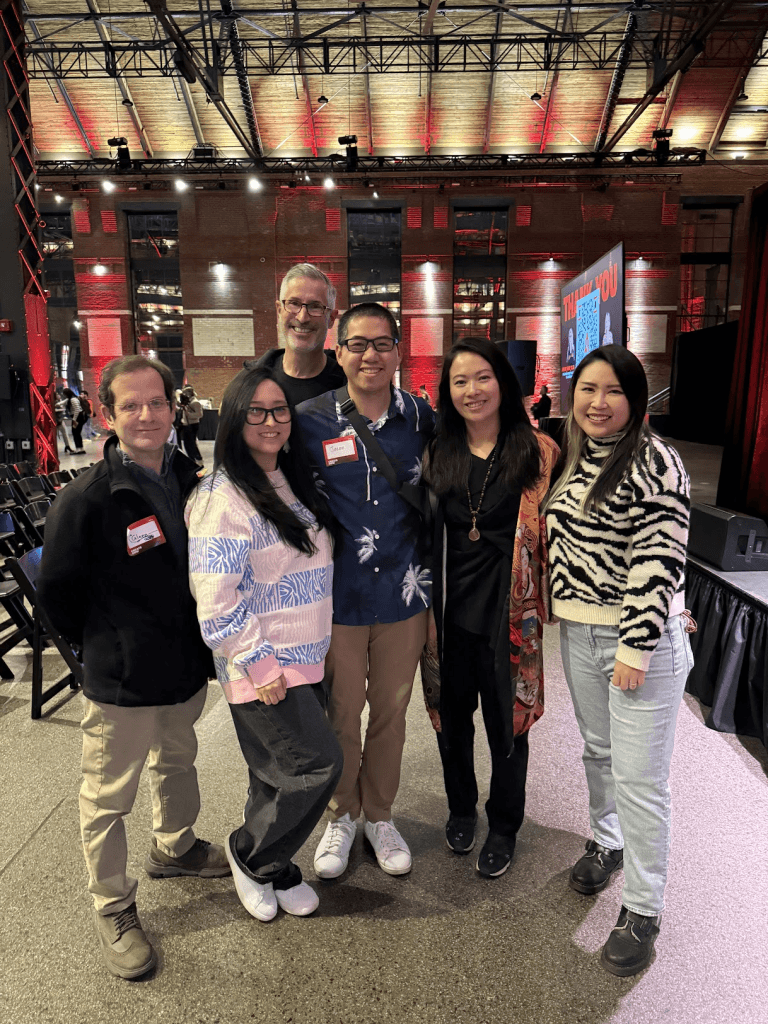
On March 19, 2026, I had the joy of speaking at Adobe Create Now Boston, hosted at the SoWa Power Station in Boston’s South End. The venue itself felt like the perfect metaphor for the evening: a historic power station transformed into a creative gathering space, full of energy, conversation, and possibility. The SoWa Power Station was originally built in the 1890s and has since been restored into a large-scale event venue for community, art, and innovation.
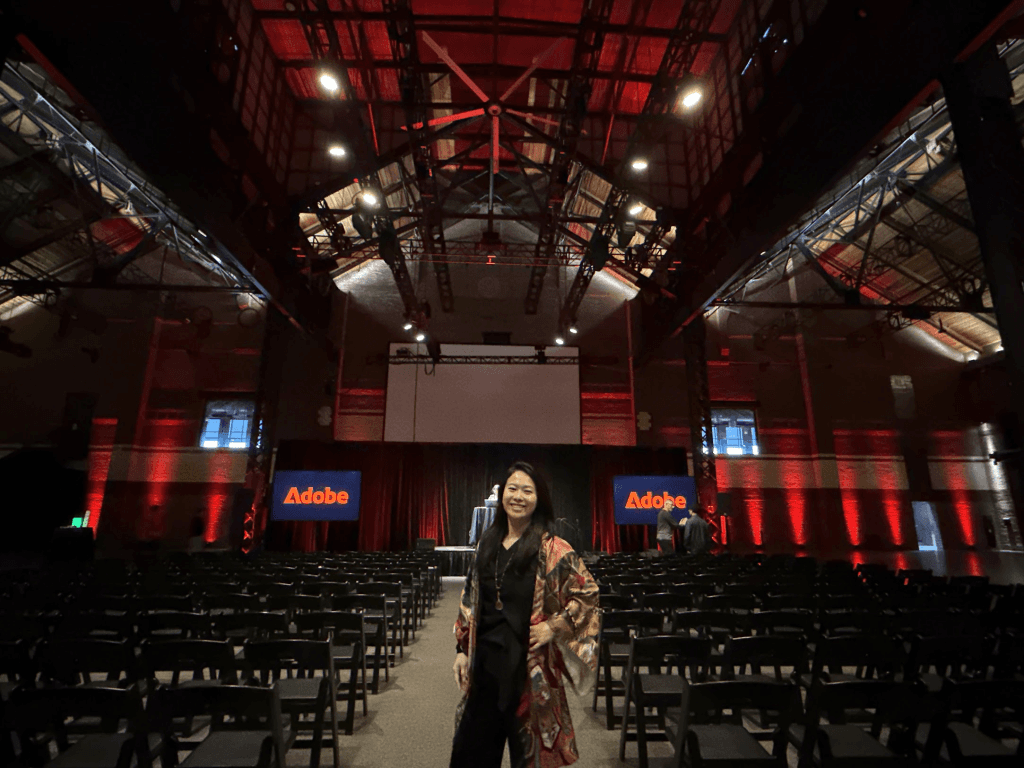
This was my first local Adobe event in Boston, which made it especially meaningful. I have spoken at events in other cities, traveled for creator gatherings, and joined Adobe experiences in many different forms, but there was something different about showing up so close to home. Boston has been part of my story for decades. To stand in front of a local audience, with people from different industries, backgrounds, and creative paths, felt personal in the best way.
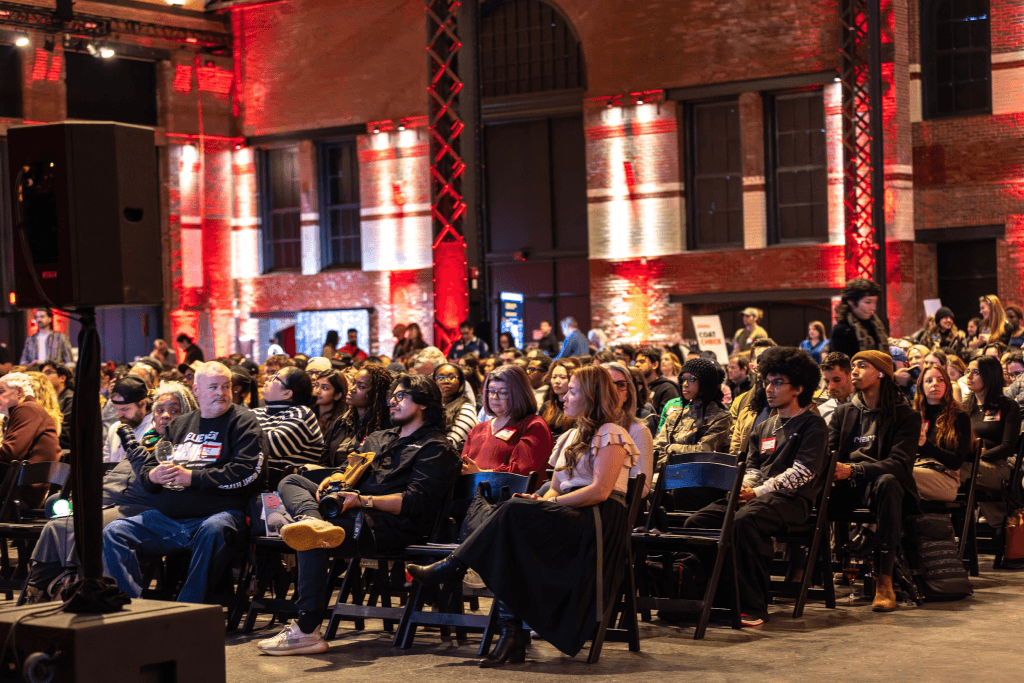
The room was full, warm, and ready to participate. Around 300 attendees showed up from across Boston’s creative, design, business, education, and entrepreneurial communities. What struck me right away was how present people were. They listened carefully, asked thoughtful questions, and stayed engaged throughout the evening.
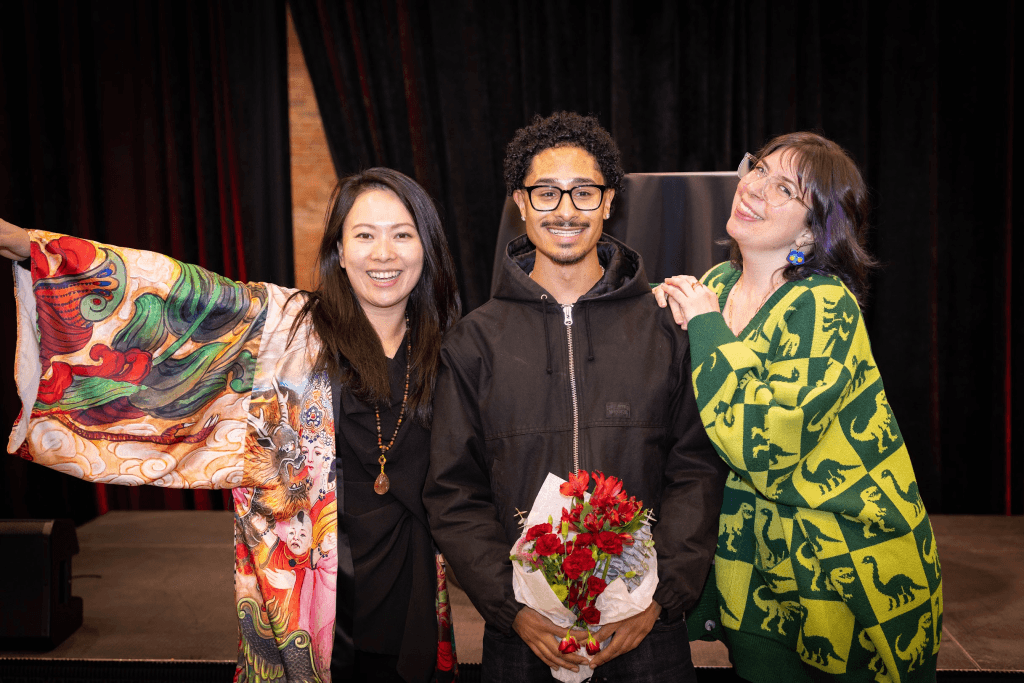
This event was organized by Meghan Arnold from Adobe, with speakers including Jordan Dené Ellis, local creator spotlights featuring both Isaiah Rose and me. I loved that Isaiah and I brought different perspectives to the stage. My talk centered around AI, storytelling, small business creativity, and how tools like Adobe Express and Firefly have helped me and my mom Xiang Li build more quickly and more visually. Isaiah brought his experience as a Boston-based art director and multidisciplinary designer, with deep work across brand storytelling, footwear, apparel, and culture-led campaigns. Together, our talks reflected something I believe deeply: creativity does not belong to one industry, one job title, or one type of person.
Preparing My Talk with Adobe Express
As a speaker, I prepared my slides using Adobe Express, and honestly, the process reminded me why I love the tool so much.
There are moments when you need design to move with your ideas, not slow them down. I had stories I wanted to share, examples to organize, and visuals from Feisworld Media and Xiang Li Art that needed to feel cohesive on screen. Adobe Express made it easy to build a presentation that felt polished without turning the preparation process into a production marathon.
That matters, especially for creators and small business owners. We often wear every hat. We are the strategist, writer, designer, marketer, presenter, and sometimes the person packing the books into boxes the night before an event. Tools that reduce friction are not just convenient. They change what becomes possible.
From Xiang Li’s Artwork to Coloring Books
One of the most special parts of the evening was seeing Xiang Li Art woven into the event experience.
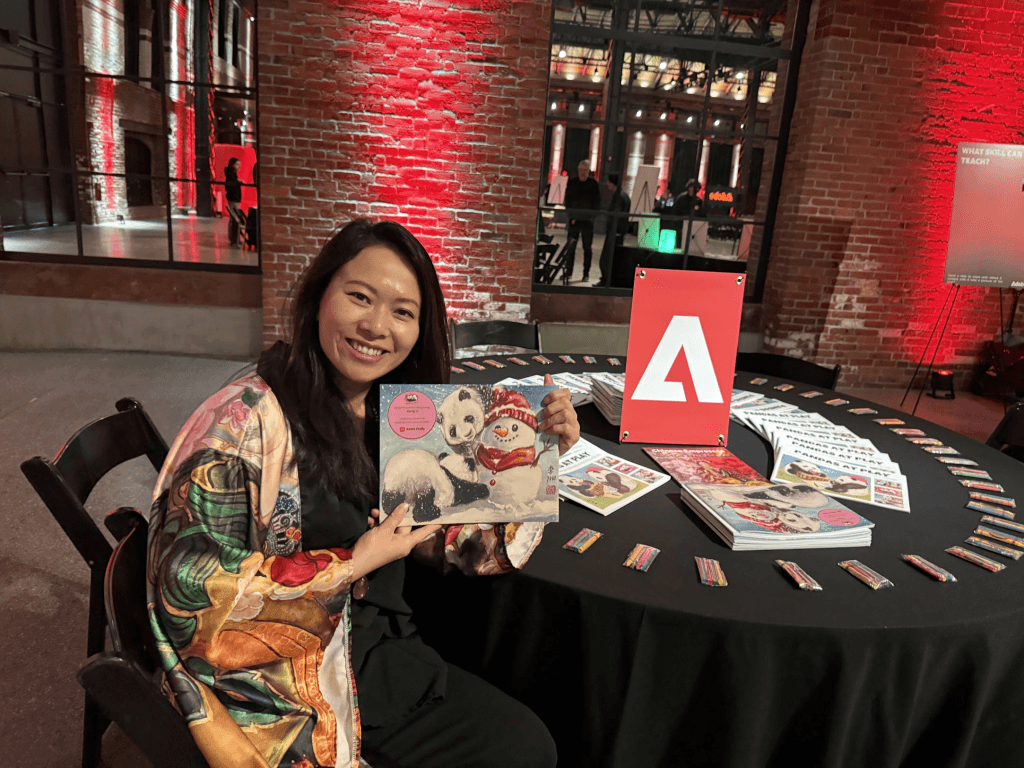
Adobe purchased 50 copies of our panda coloring books, which meant guests could sit down, color, and interact with the artwork in a hands-on way as soon as they arrived. These books came from my mother Xiang Li’s original designs, and Adobe Firefly played a big role in helping us transform the artwork into crisp, high-quality coloring pages.
Using Adobe Firefly, we were able to remove color from the original designs while preserving the clarity and elegance of the outlines. That process helped us create coloring books that felt professional, beautiful, and accessible for all ages. It also opened up a new product category for Xiang Li Art. We now bring coloring books to public events, including our popular Chinese Empress coloring book, and they have become one of the easiest ways for people to connect with the artwork.
That is one of my favorite uses of AI: not replacing the artist, but extending the life of the art. A painting can live on silk, in a book, on a scarf, on a wall, and now in the hands of a child or adult coloring quietly at a community event.
Creativity Has No Boundaries
The activities at Create Now Boston were a highlight from the moment guests walked in.
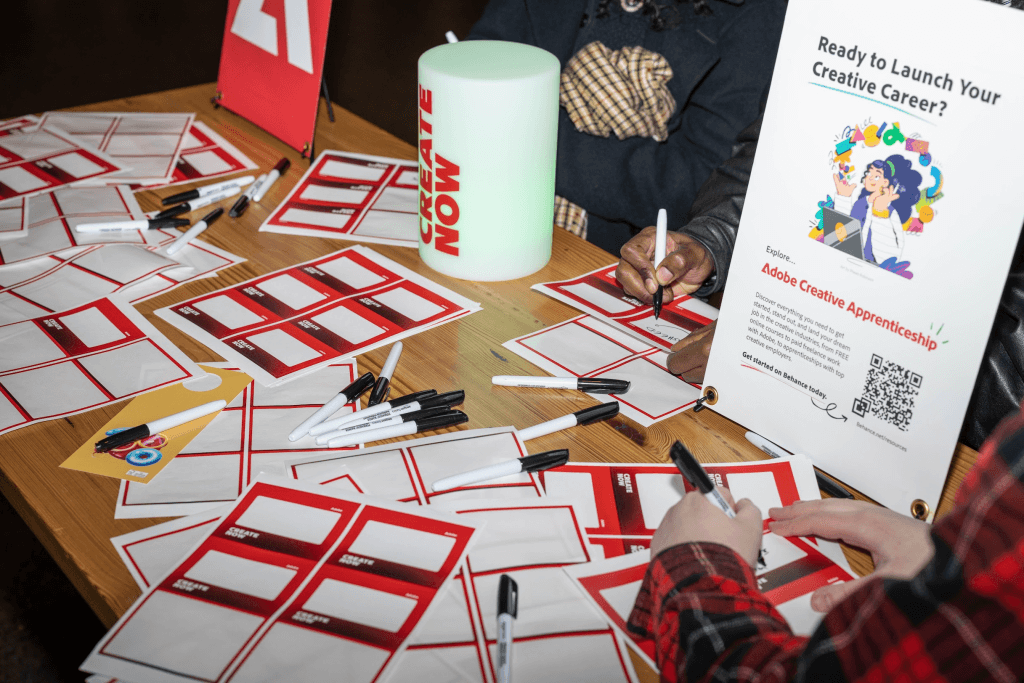
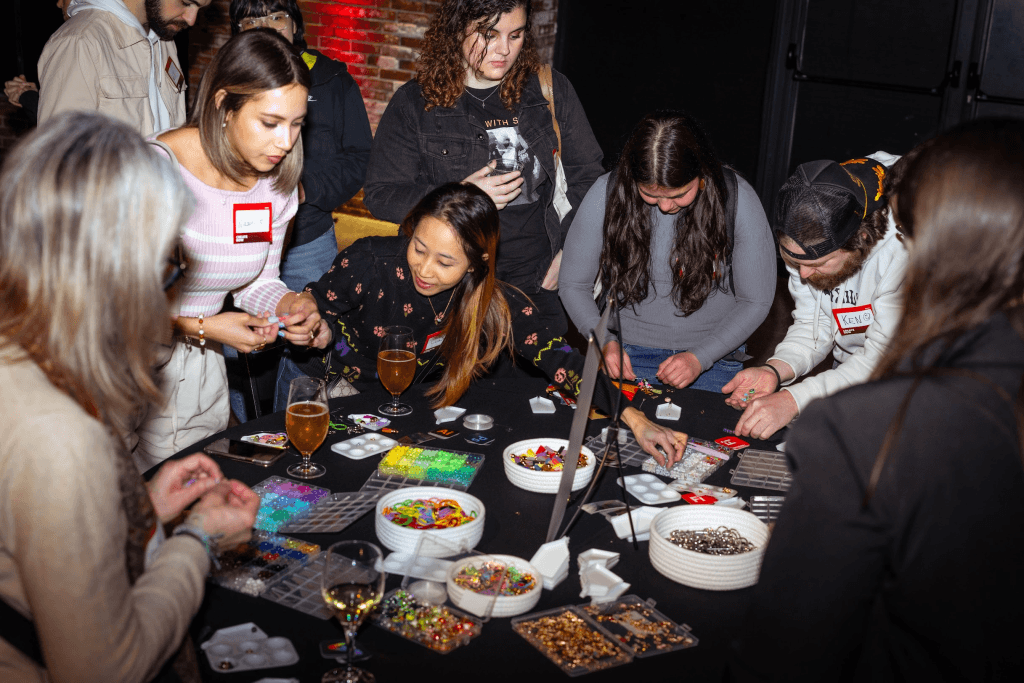
There were keychains, DIY stations, coloring books, and hands-on creative moments that made the event feel less like a formal presentation and more like a shared experience. I learned a lot from Adobe that night about how to engage with an audience you do not already know. Instead of waiting for people to warm up during the talks, the event invited them into creativity immediately.
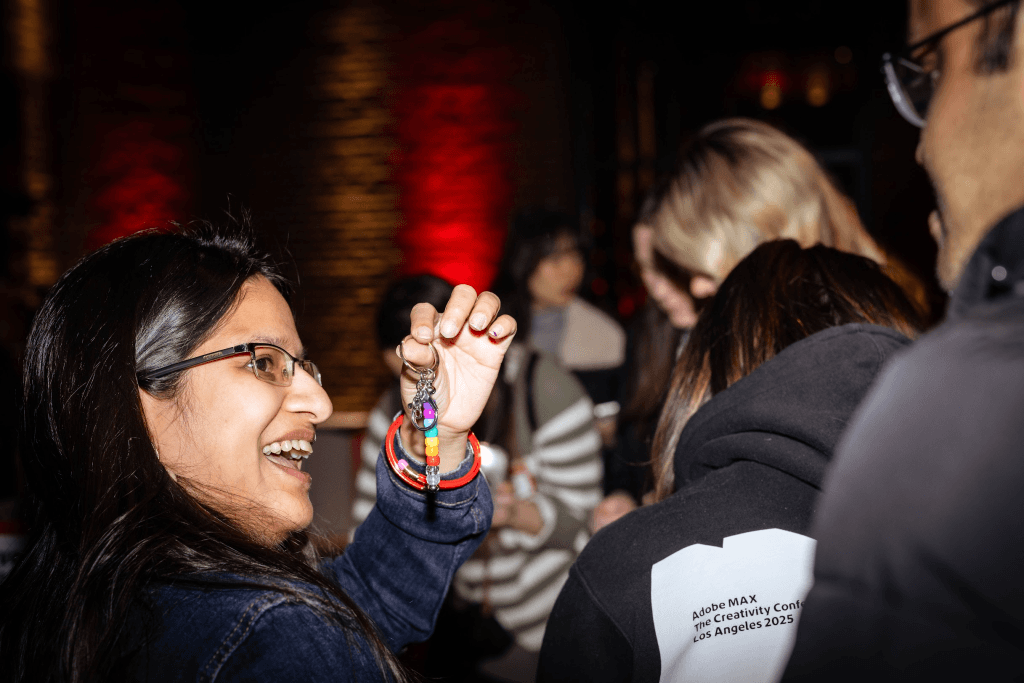
That changed the energy in the room.
People were not just watching creativity happen on stage. They were making something, choosing colors, touching materials, talking to strangers, and leaving with something they created themselves. It reminded me that creativity does not always need a grand introduction. Sometimes it begins with a blank outline, a charm, a keychain, or a simple invitation to try.
The Power of Live Demos
I also thought the live demos from the Adobe team were done incredibly well.
Live demos are not easy. They require timing, clarity, and the ability to make software feel useful without overwhelming the audience. What I appreciated was how approachable the demonstrations felt. They were not just feature tours. They showed people what they could do next, whether they were building content, exploring design, editing visuals, or experimenting with AI.
That kind of teaching is powerful because it meets people where they are. Some attendees were professional designers. Some were marketers. Some were entrepreneurs, educators, students, or creative hobbyists. The demos gave everyone an entry point.
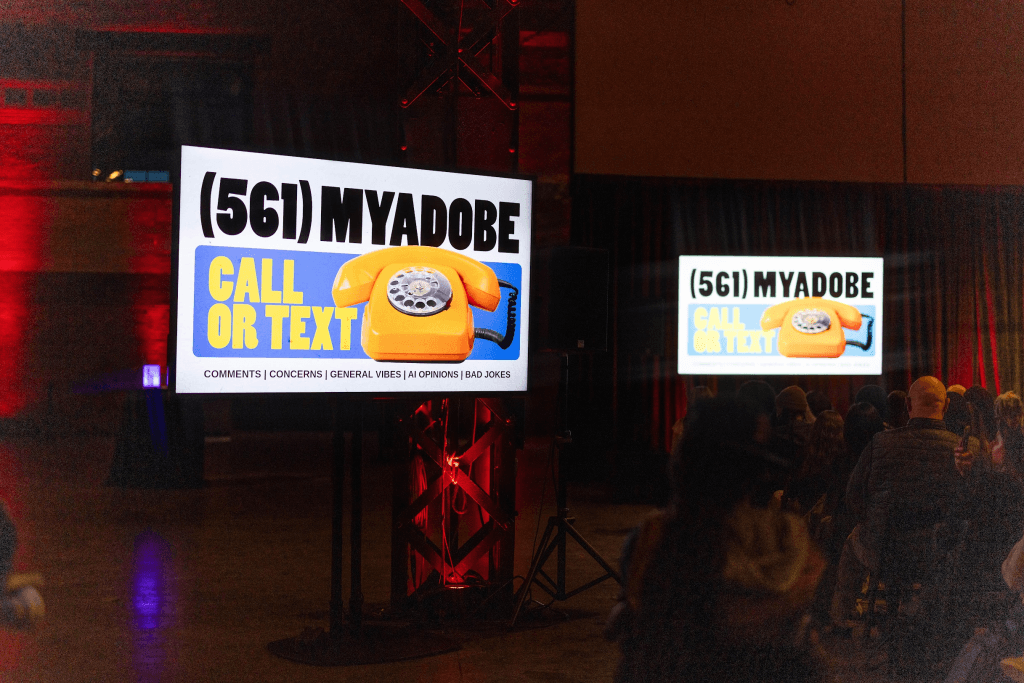
A Local Night That Felt Bigger Than Local
Because this was my first local event in Boston, I kept thinking about how meaningful it would be to do more of this.
There is something very special about gathering creative people in the same room, especially in a city like Boston where so many worlds overlap. Art, technology, education, startups, design, media, culture, and community all exist here, but they do not always have enough spaces to meet each other.
Create Now Boston created one of those spaces.
For me, the night was not only about speaking. It was about seeing what happens when people from different creative paths come together around tools, stories, and hands-on making. It was about watching someone color one of my mother’s panda illustrations. It was about meeting people who were curious about AI but not necessarily sure where to begin. It was about sharing the stage with Isaiah Rose and seeing how different creative journeys can speak to different people in the same room.
Most of all, it reminded me that creativity is not a narrow lane. It is a wide open field.
What I Learned About Preparing for a Short Creative Talk
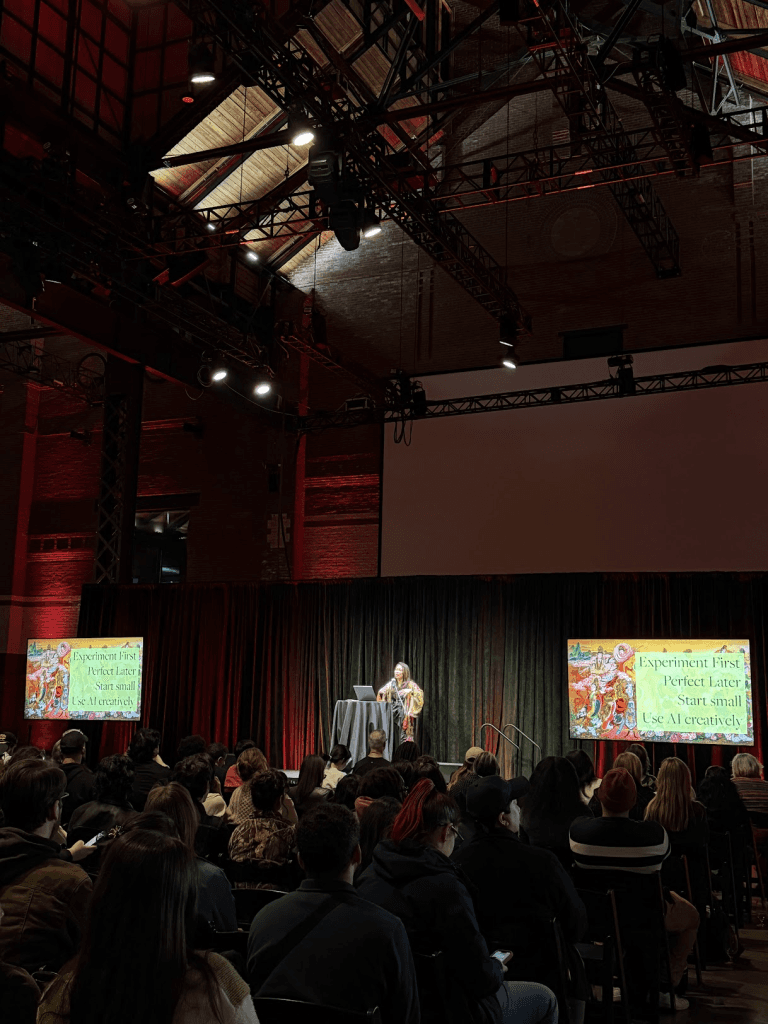
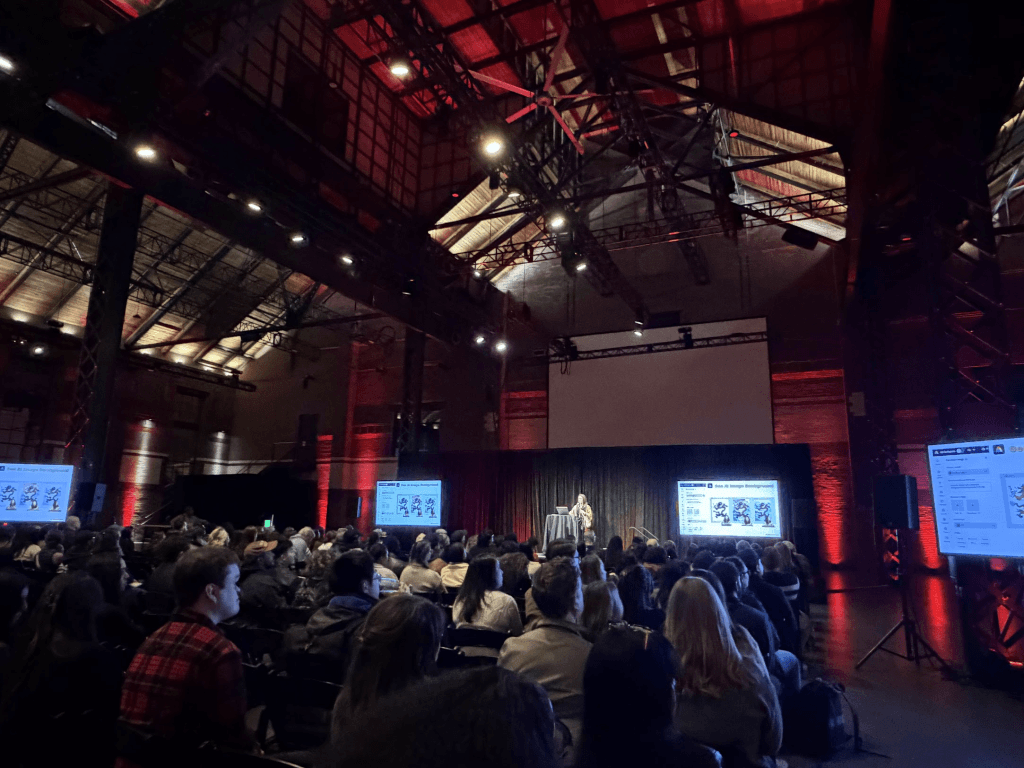
One thing people may not realize is that our speaking segments were short. Each of us had about five to eight minutes, which meant there was no room to wander.
For my talk, I wanted to keep the pace tight while still sharing enough information to make it useful. That balance is harder than it looks. When you only have a few minutes, every slide needs to earn its place, and every story has to connect to the next one. I thought about the talk almost like a short film: a clear beginning, middle, and end, with a few key takeaways people could remember after they left the room.
I opened with who I am and why this work matters to me, including a brief mention of my role as an Adobe Ambassador. That part sparked more curiosity than I expected. Several people asked afterward what Adobe Ambassadors do, how the program works, and what it has meant for my work as a creator and educator. I loved those conversations because the ambassador role, for me, has never been just about using tools. It has been about learning, experimenting, teaching, and helping more people feel less intimidated by creative technology.
From there, I moved quickly into real examples: how I use Adobe Express to create presentations and marketing assets, how Adobe Firefly has helped us extend Xiang Li’s artwork into new formats, and how AI can support artists and small business owners without replacing the human story behind the work.
The biggest lesson for me was this: a short talk should not feel like a compressed long talk. It needs its own structure. You cannot say everything, so you choose the strongest thread and follow it all the way through. For me, that thread was creativity made more accessible through tools, storytelling, and experimentation.
Thank You, Adobe
Thank you to Adobe for bringing Create Now to Boston, for inviting me to speak, and for supporting Xiang Li Art in such a thoughtful way. Thank you for purchasing the panda coloring books, for creating a welcoming space for local creators, and for showing how technology, design, and community can come together in a way that feels both practical and joyful.
The night was so fun, and I left feeling energized, grateful, and ready to do more locally.
Boston, I hope we get to create together again soon!

Written by
Fei WuFei Wu is the founder and CEO of Feisworld Media, a Massachusetts-based digital media company helping brands get discovered by people and by AI. An Adobe Global Ambassador and brand partner to ElevenLabs, Synthesia, and 50+ other tech and AI companies, she hosts the Feisworld Podcast (400+ episodes, 500K+ downloads — guests have included Seth Godin, Steve Wozniak, Chris Voss, and Arianna Huffington) and co-created the documentary Feisworld: Live Your Art on Amazon Prime. Fei writes for CNET, Lifehacker, and PCMag, and her work has been featured in Forbes, Harvard Business Review, and WIRED. She has been publishing on the internet since 2014 — long before AI discoverability had a name.
View all posts by Fei Wu→Stay updated
Weekly insights on content, AI, and digital media.
Keep Reading